

.jpg)
August 2026 | Frankfurt, Germany
From August 12 to 16, the 42nd Rhythmic Gymnastics World Championships took center stage at the Festhalle in Frankfurt's exhibition center, Germany. Serving as a pivotal Olympic qualifier for the 2028 Los Angeles Games, this year's championships not only awarded direct qualification spots to the top three all-around finishers in both individual and group events, but also determined berths for next year's World Championships. For the vast majority of gymnasts and teams who failed to reach the podium in the all-around finals, the upcoming championships will represent their final battleground for Olympic qualification. It is precisely this high-stakes environment that drew over 90 individual gymnasts and more than 40 groups to compete, making this the largest field of the current Olympic cycle. Over the past week, this exhibition center was transformed into a world-class gymnastics arena, hosting spectacular peak showdowns day after day.
Although athletes from Russia and Belarus could only compete under neutral designations as "World Gymnastics 1" and "World Gymnastics 2," the return of these elite competitors from both nations undoubtedly injected new variables and challenges into the competition. In the team rankings, determined by the combined scores of individual and group events, the Russian squad dominated the field with an overwhelming, gaping margin to claim the team title. This gold medal fully demonstrated the comprehensive strength of this traditional powerhouse — particularly with the presence of top-tier athletes Mariia Borisova and Sofiia Ilteriakova, further confirming Russia's deep reservoir of talent. However, in the subsequent all-around and apparatus finals, Russian gymnasts repeatedly fell just short of gold, their luck seemingly running thin, ultimately settling for one silver and two bronze medals in individual event finals.
.jpg)
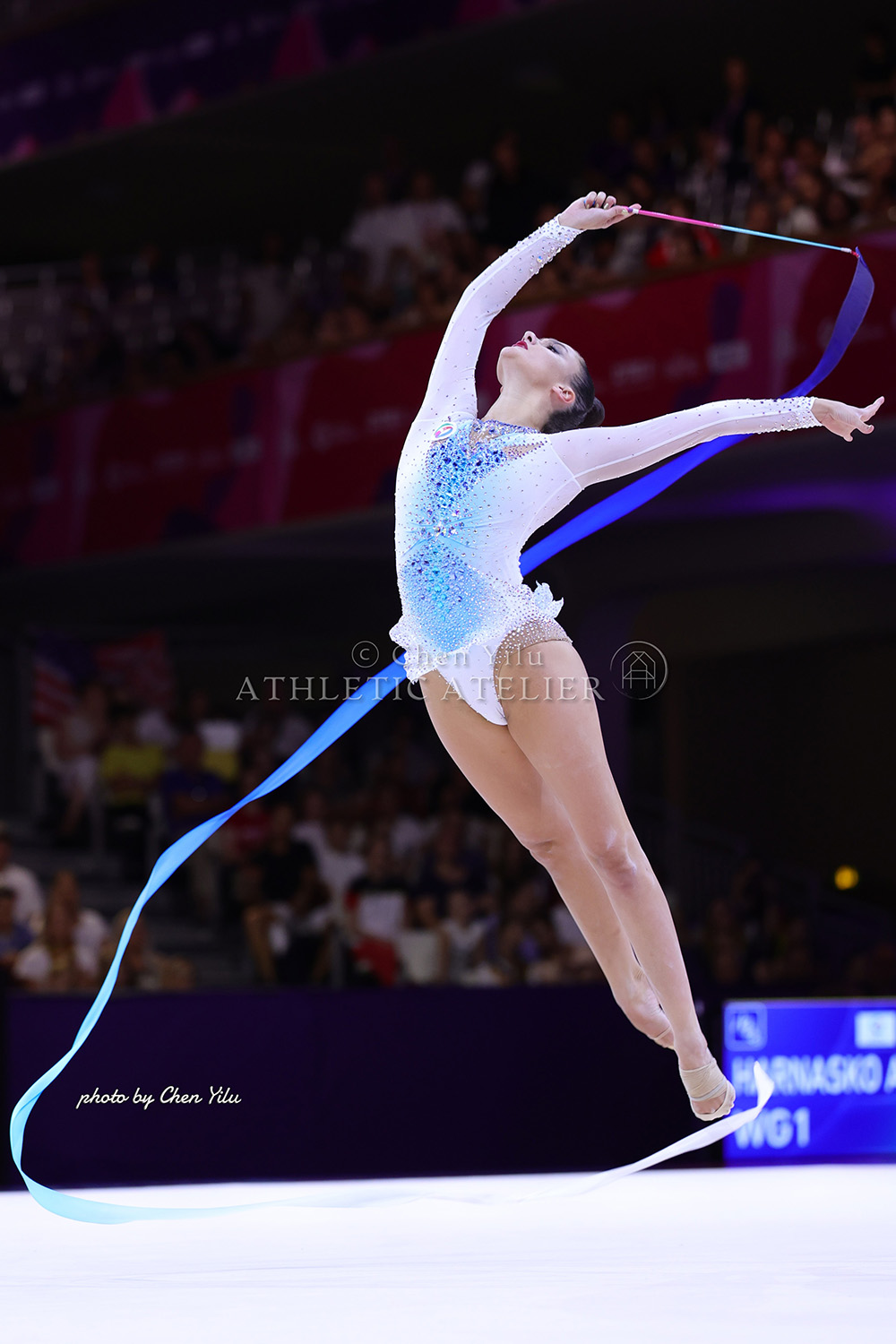
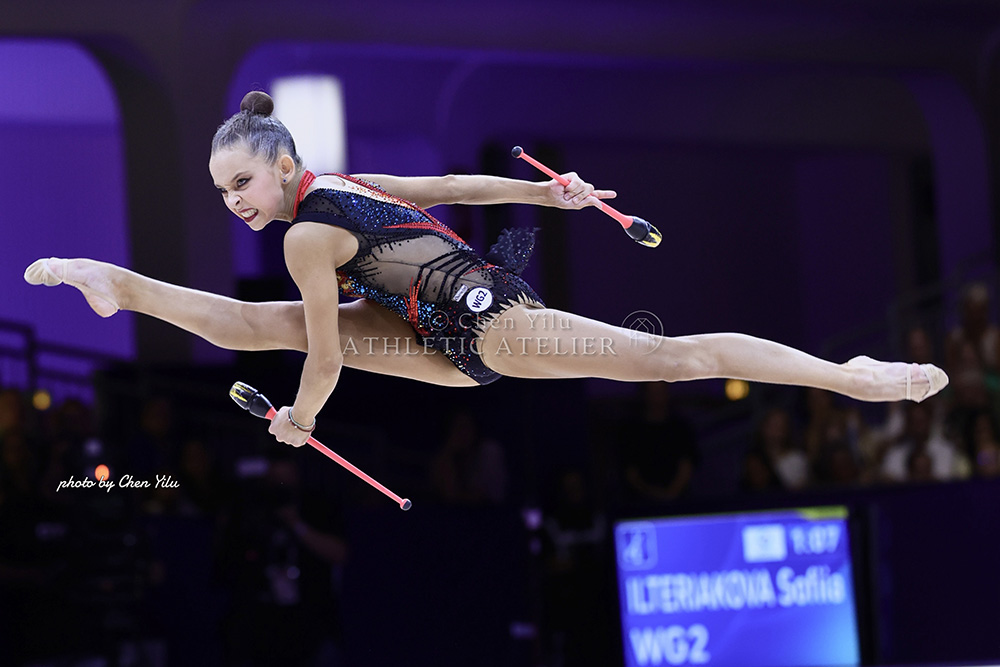
On the medal table, host nation Germany emerged as the biggest winner. Paris Olympic champion and Grand Slam all-around titleholder (Olympic, World, and European Championships) Darja Varfolomeev captured three gold medals and one bronze, making her the most decorated athlete of these championships and propelling Germany to the top of the gold medal standings.
.jpg)
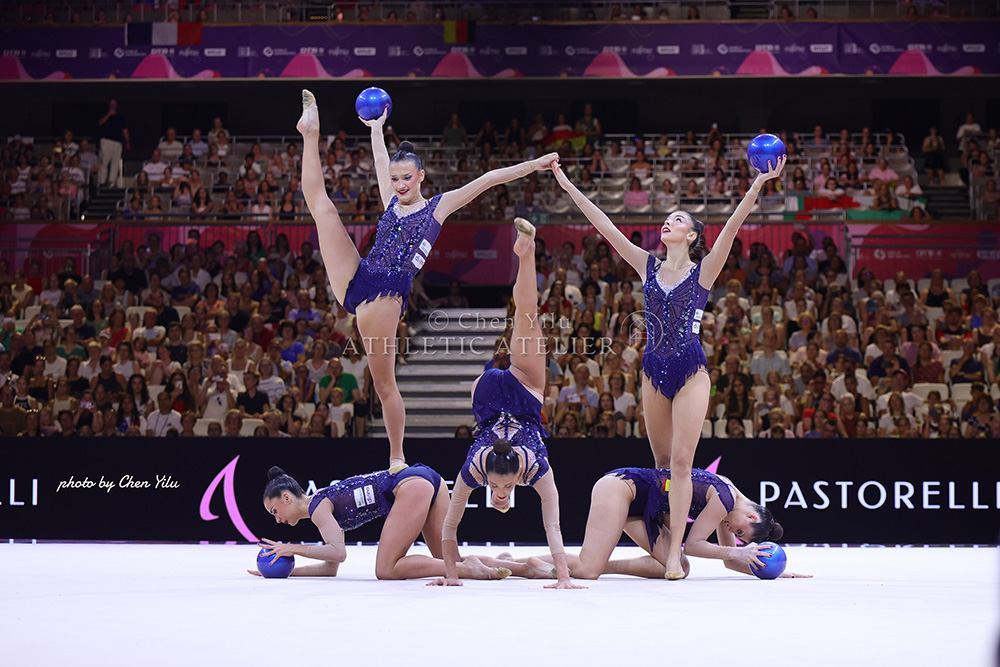
In a surprising turn, Brazil vaulted to second place on the medal table by sweeping both group event titles. Spain, Ukraine, Bulgaria, and Russia each claimed one gold medal — with Italy's Sofia Raffaeli and Bulgaria's Stiliana Nikolova among those adding their names to the winners' list.
.jpg)
.jpg)
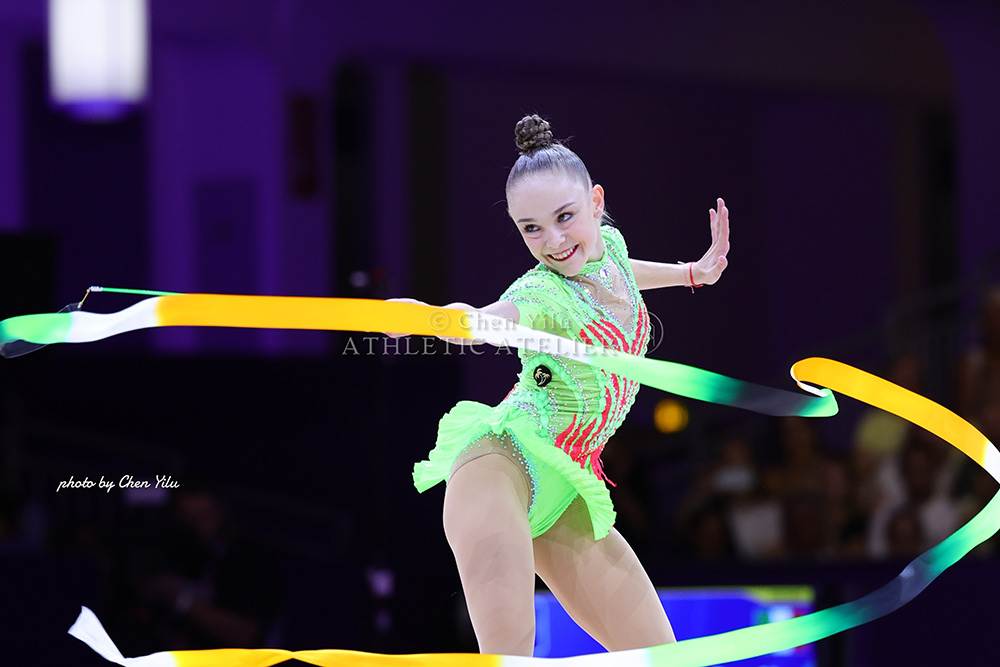
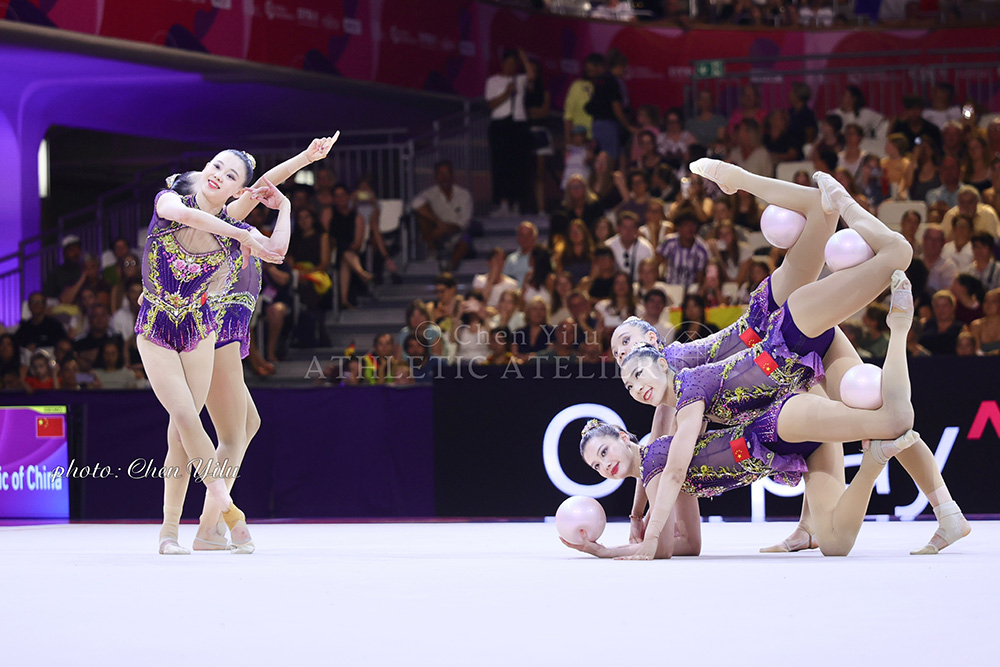
China, which also ascended to Olympic glory in Paris, has shown remarkable momentum in recent years, establishing itself as a top-tier international contender in both individual and group disciplines. At these World Championships, China secured a silver medal in its strong suit — the group 5 balls event — while also shining in individual competition.
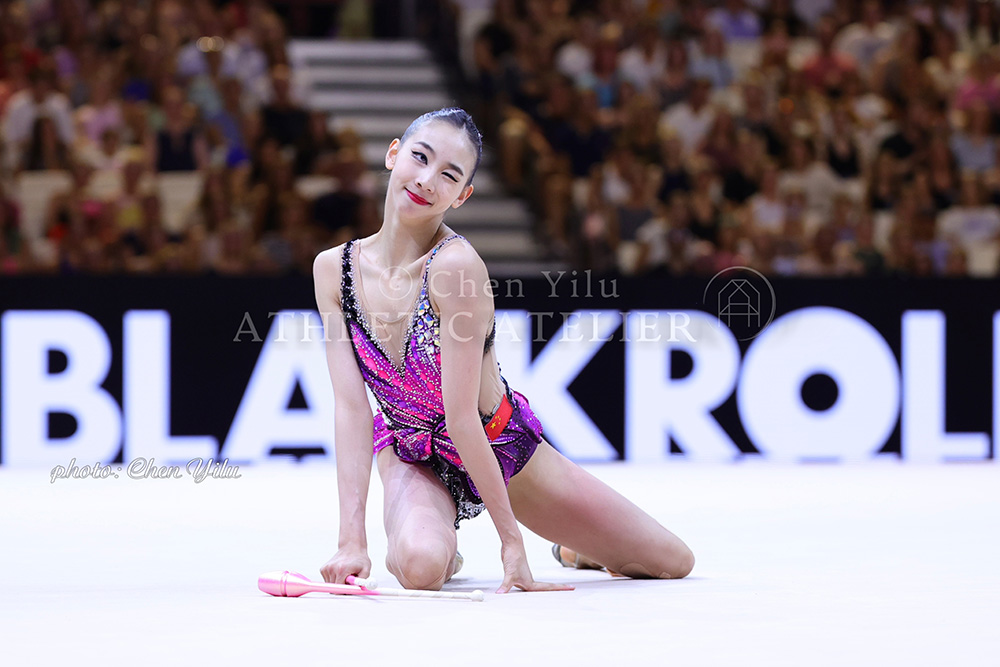
Veteran Wang Zilu and Wang Qi, the youngest competitor in the entire senior field who had just moved up from the junior ranks, both advanced to the individual all-around final, with each earning seventh place in three apparatus finals.
.jpg)
.jpg)
.jpg)
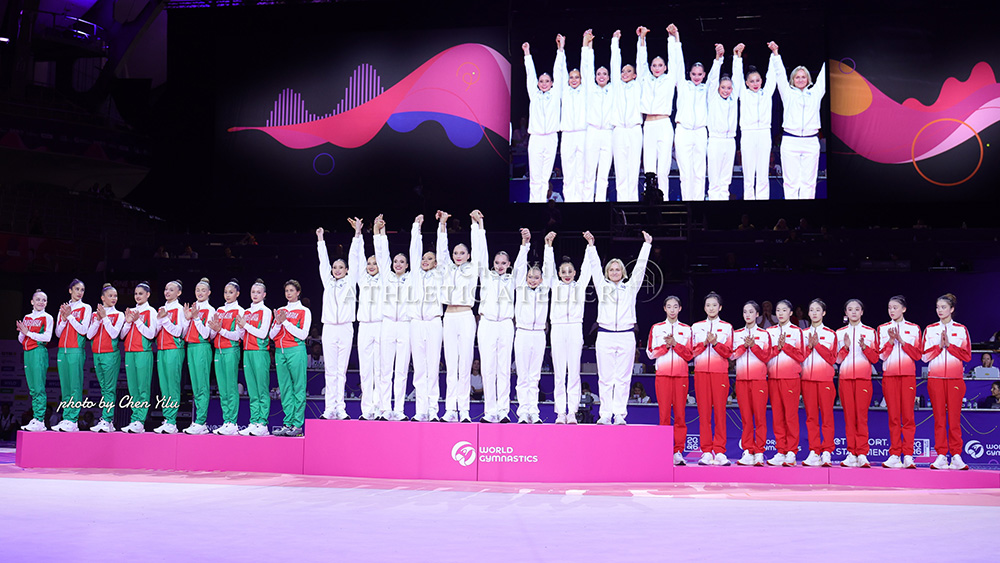
Leveraging their traditional strength in group events alongside steady individual performances, China made history by capturing the team bronze medal for the first time ever. Wang Qi and Wang Zilu thus became the first Chinese individual gymnasts to stand on a World Championships podium. While China was unable to continue its title-winning streak from the previous two championships, this team bronze nonetheless marked a significant new breakthrough for the squad.
For a long time, the public has generally perceived rhythmic gymnastics as an aesthetic, spectacle-driven sport where beauty outweighs competitive suspense. Yet under the current Code of Points, the sport increasingly demands the simultaneous pursuit of high difficulty and high execution rates. On a championship stage crowded with elite athletes, the battle for podium positions is fraught with suspense — a single inadvertent apparatus drop or step out of bounds can completely upend the standings. Every second of these mere tens of seconds in a routine keeps spectators on the edge of their seats. And that, precisely, is the unique charm of competitive sports.