

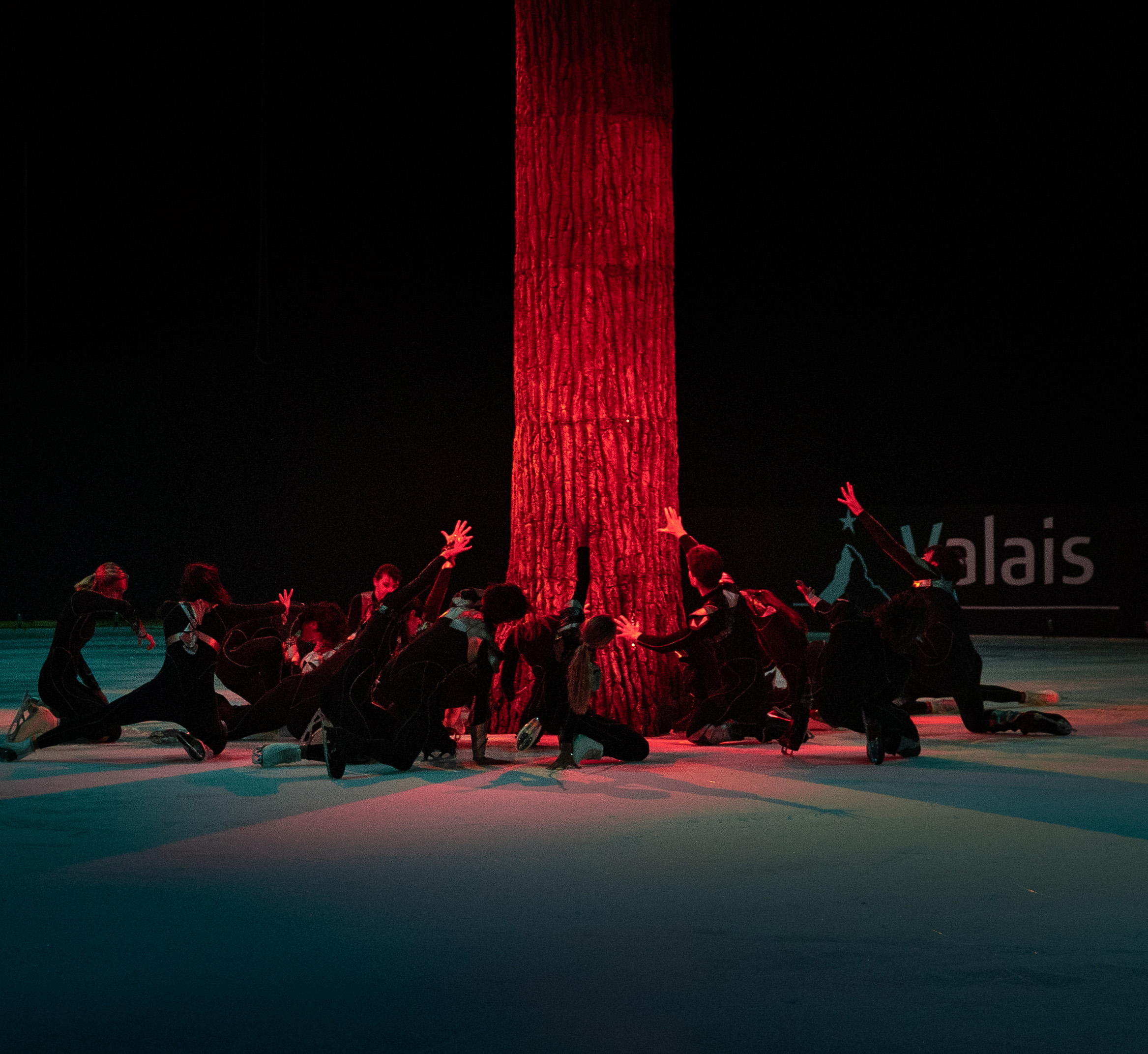
August 2026 | The Palladium, Champéry, Switzerland
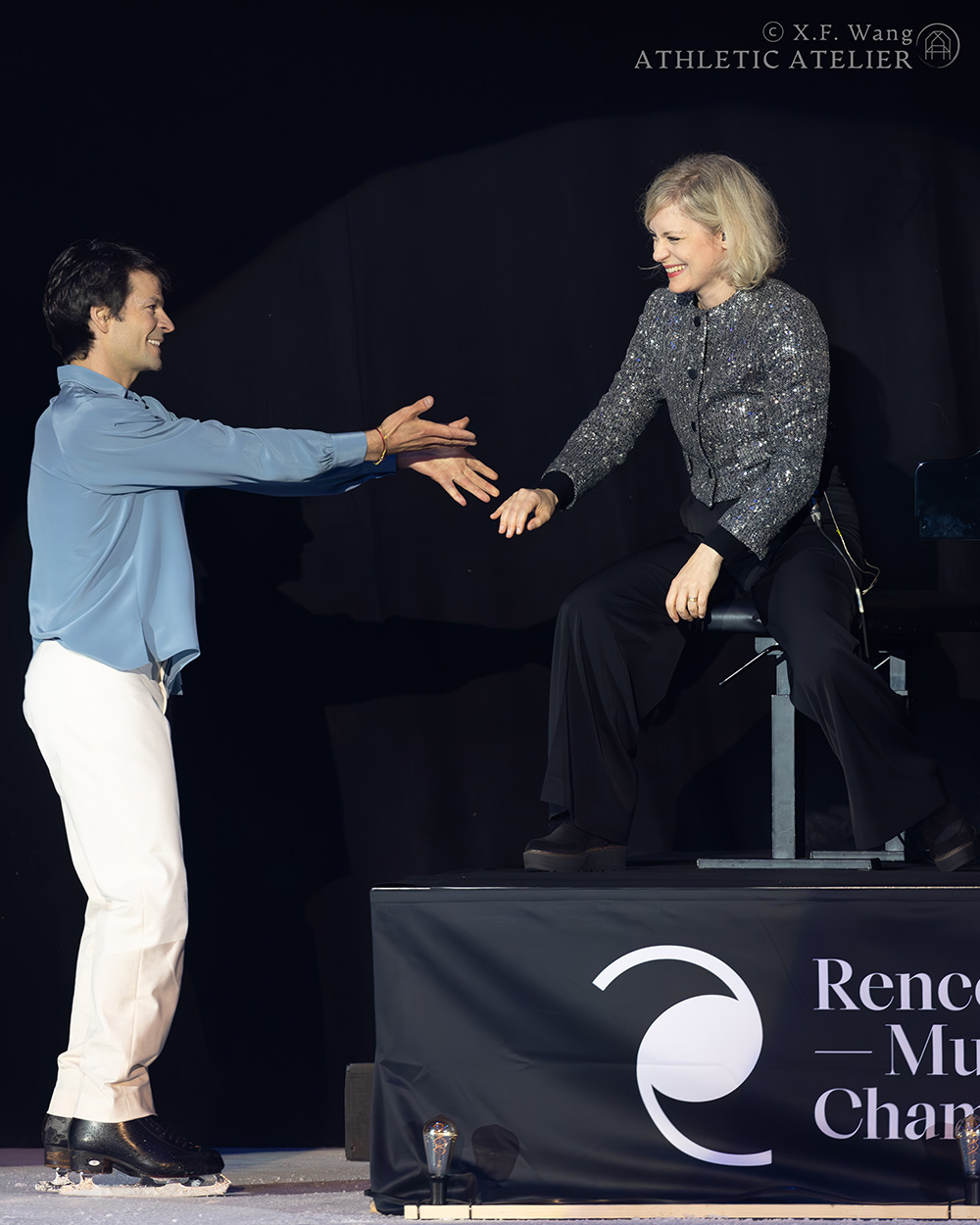
August 5, half an hour before Dress Rehearsal begins. A dark-haired man stormed into the training room, drags a thick mat and sets up to warm the skaters up. That is Stéphane Lambiel — two-time World Champion and Olympic medalist, member of the creative team of the show, and right now, a very serious mat-hauler.
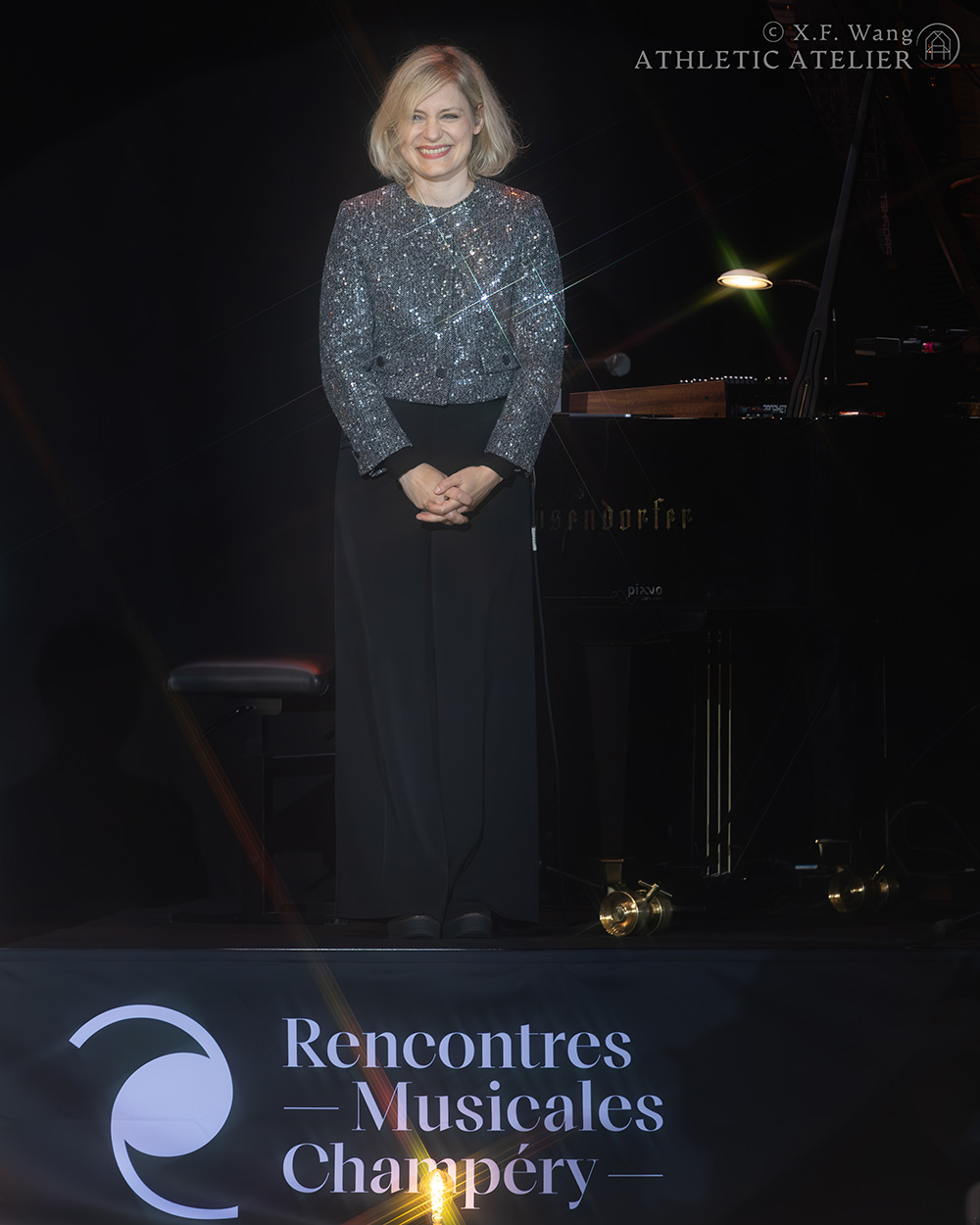
Staged on the nights of August 6th and 7th, "L'Arbre de Lumière" (meaning "tree of light") is part of the Rencontres Musicales de Champéry. It is an original ice show created by three principal artists: pianist Beatrice Berrut, who composes all the music, performs it live, and sings; choreographer Salome Brunner; and Stéphane Lambiel.
From the program notes, it reads less like a plot-driven story and more like a dance work built around a straightforward theme, leaving the artists plenty of room to create. The theme itself is simple: people live on the earth, yet they distrust one another, they fight, and they are ultimately destroyed by war; hope is buried inside a tree, and later the children find it, and so light is restored. Within this theme, the creators of L'Arbre de Lumière chose to create everything from scratch.
In the program notes, the creative team shared some thoughts with us:
Beatrice: "We wanted to move on to something completely original, where the design of the show resembles that of a ballet: there is a plot, and the music and skating tell the story in a very moving way."
Stéphane: "Having the chance to start from a blank page with Beatrice to create an entire show together is both a challenge and a dream that I look forward to sharing with the audience."
Choosing an original story carries greater risk, and an enormous amount of extra work — the audience has no ready-made emotional connection in their minds; they must begin from a blank page — a blank ice rink, in this case.
The preparation for this project spanned a year and a half in total. And two of the leads are often on the road. This team had to prepare the plot, the music, the choreography, finalize the cast and the skating assignments, and coordinate with the lighting and prop design.
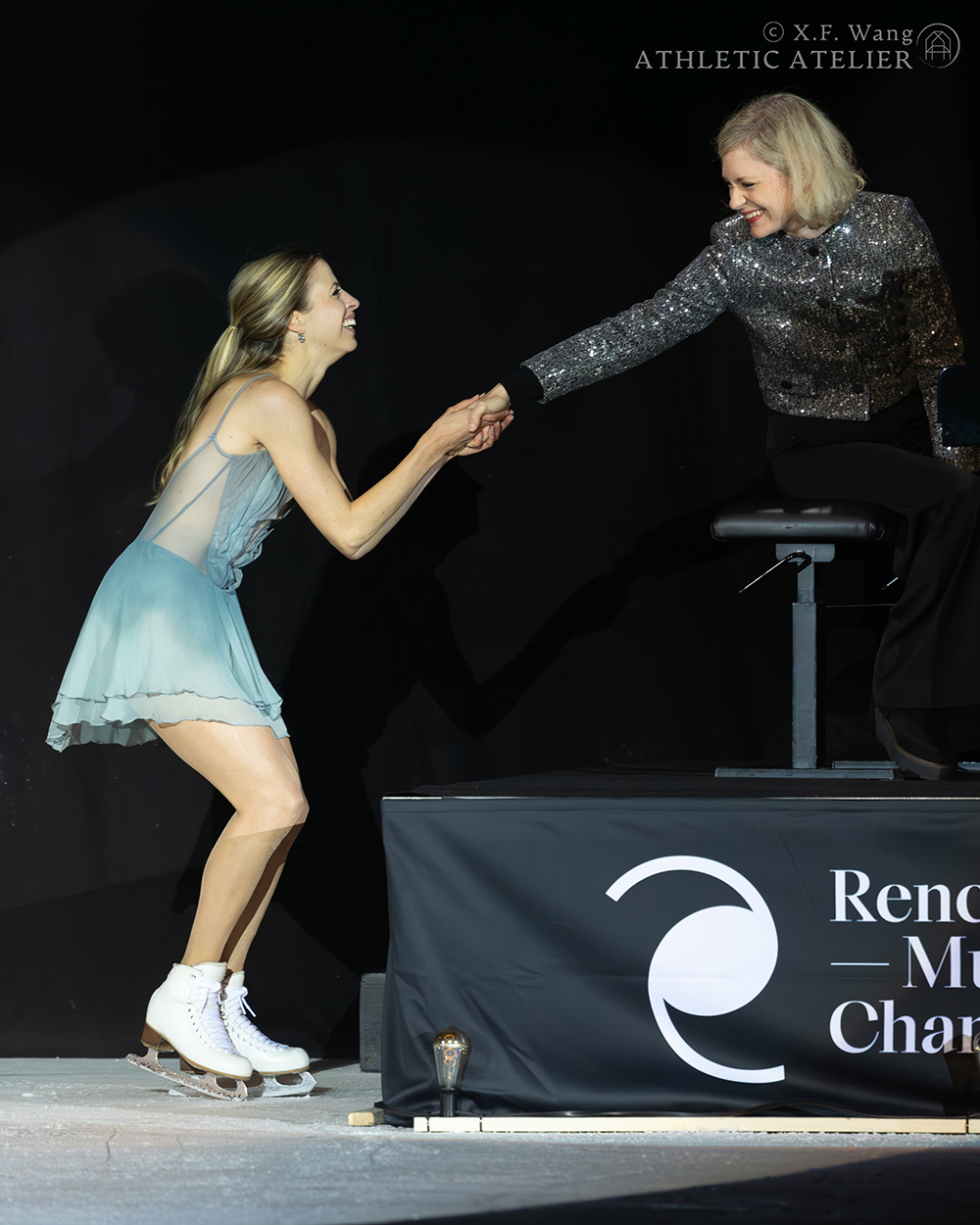
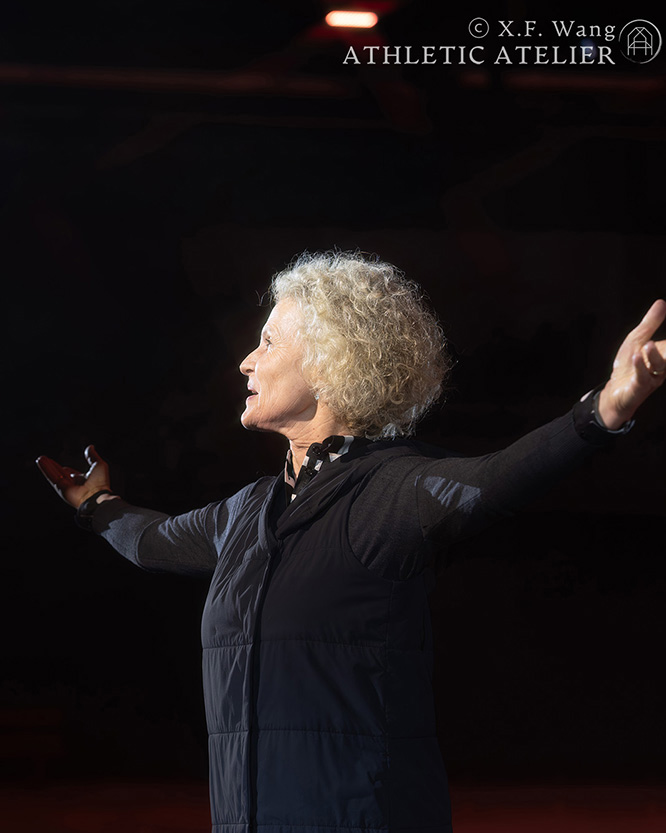
And all the music was composed by Beatrice Berrut, who is also artistic director of the Rencontres Musicales de Champéry. On both nights of the performance, she sat on the cold stage at the edge of the rink, in costume, her hands barely stopping for a single moment as she played through the entire show, singing live all the while. Every note the skaters on the ice followed — all of it had to come from her fingers.
The program notes ask artists to share a memory from the creative process. Beatrice's answer:
"I struggled a lot with a piece meant to portray the spiritual essence of Eve, and I couldn't find a way to compose convincing music inspired by the examples that Salome and Stéphane had played for me. That's what makes the magic of our collaboration: they were completely open to my doubts and my ideas, and allowed me to take a very different direction from the one they expected, thereby freeing the creative process and letting the music flourish. That's what makes working with other artists so exciting: they challenge you, they surprise you, and art is born from the unexpected. If everything unfolds as planned and follows a set path, art is dead."
The main prop — a tree — was commissioned from artist Jan Vágner. The program booklet was entrusted to Czech illustrator Kateřina Fantová. The to-do list of an original project is heavy, and the coordination between its parts is even more demanding — for example, Fantová's illustrations needed to match the finalized skaters wearing the correct costumes, so although she received the commission in February, she began drawing around May. If a skater were swapped out or added, she would have to make adjustments accordingly.
The show kept changing right up until the last moment. For instance, according to the preview video by AnythingGOEs, you can see that the formations from a week before the show and those in the final performance were different. The execution was attentive to every detail — you'd see Christopher Trevisan, the principal of the Skating School of Switzerland, liaising with all sorts of people; you'd see Angelo Dolfini, the excellent coach also at the school, going so far before the show, as to inspect the venue's floor lights — lights that had to be partitioned off with wooden boards and lit at just the right moments.
The following is from the performances on August 6th and 7th:
The Ensemble
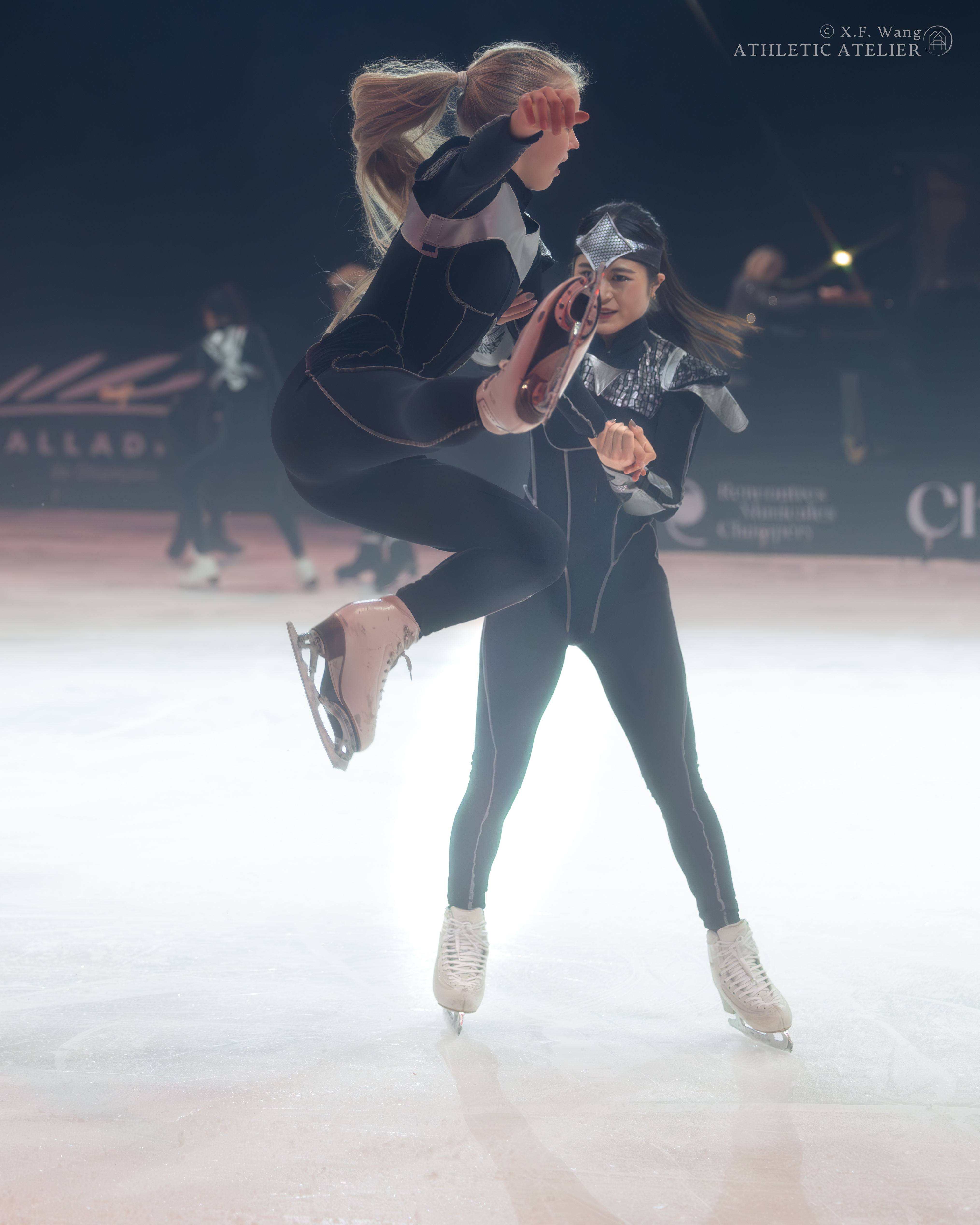
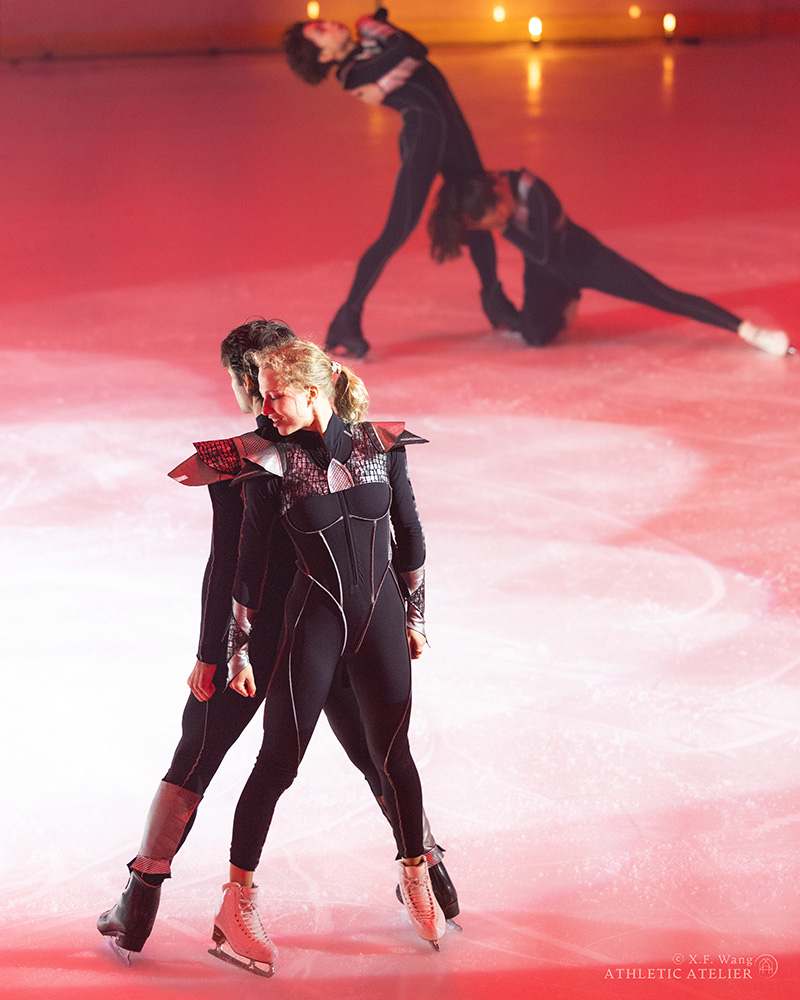
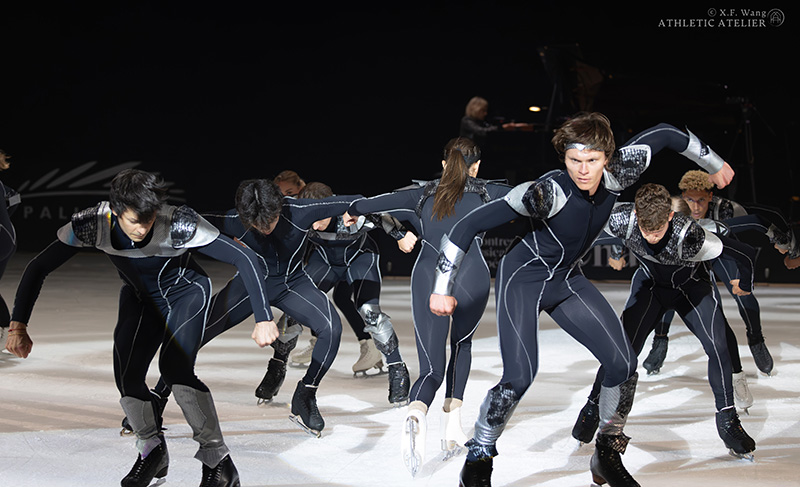
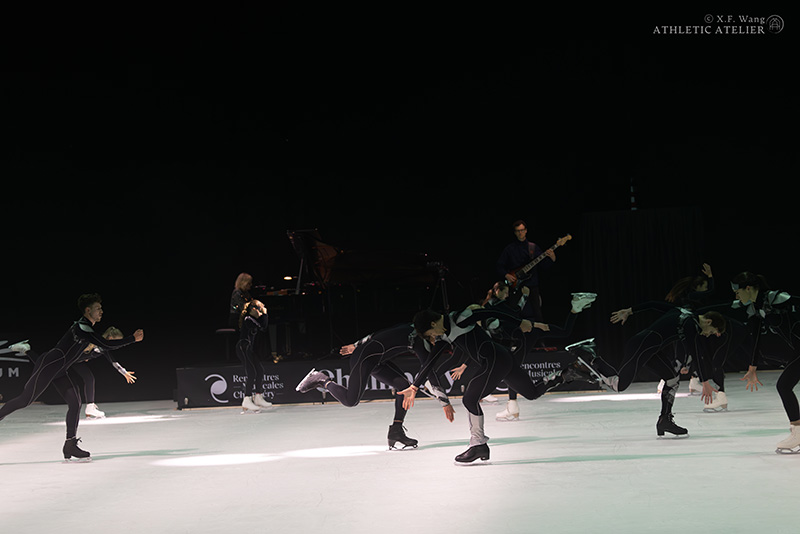
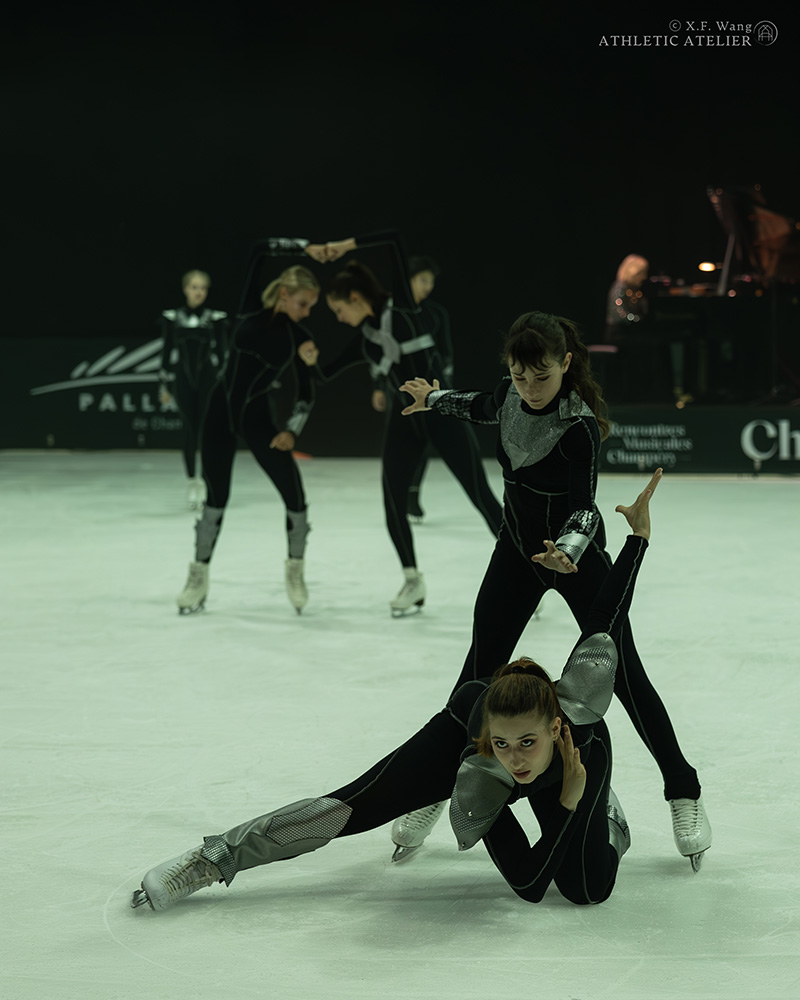
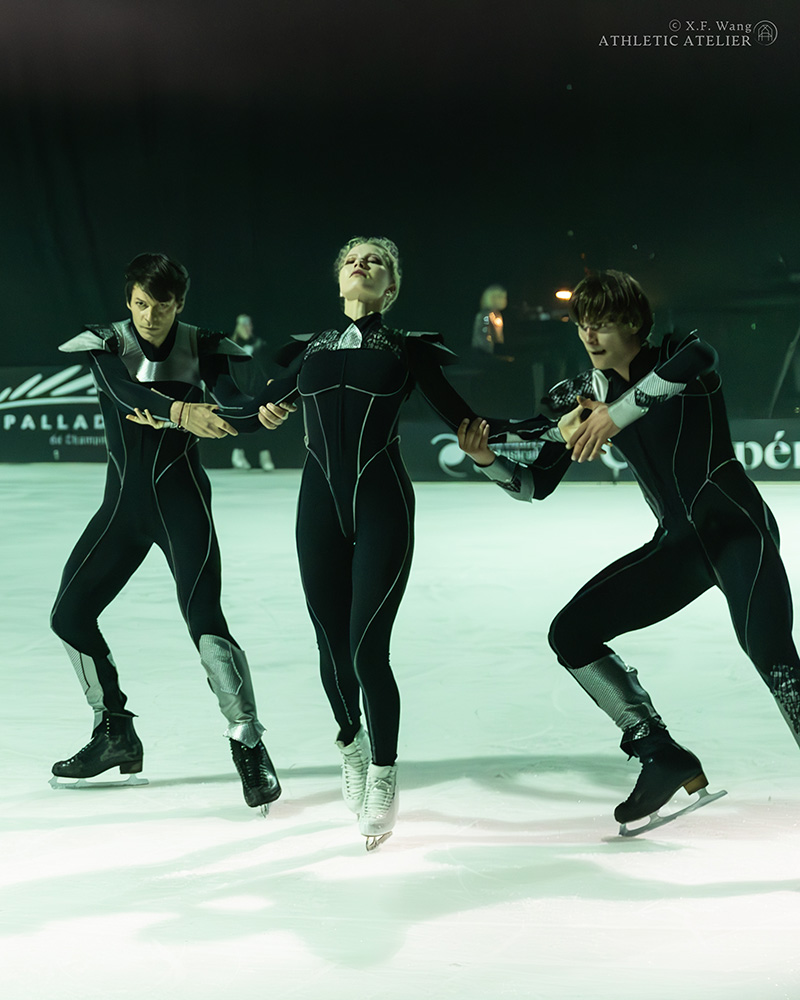
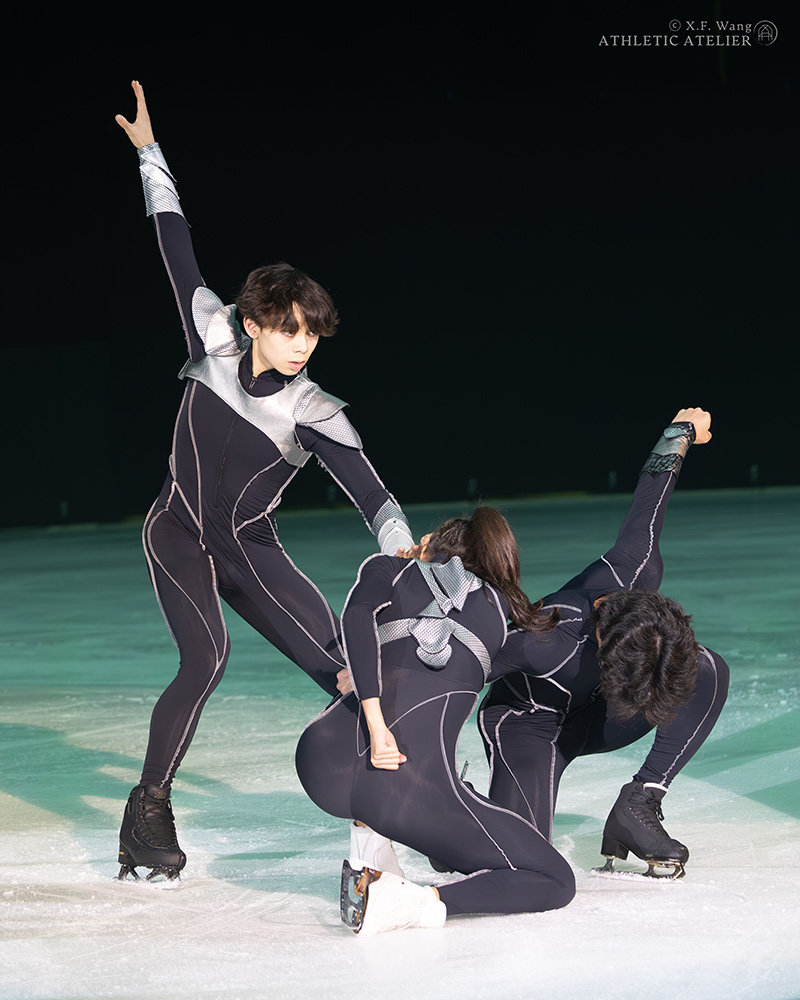
The group numbers were performed by the entire cast together, with top-tier choreography by Salome Brunner. She marshaled as many as 27 skaters gliding across the ice at once — a magnificent sight. The formations shifted in complex ways: expanding gradually, splitting into multiple rows gliding neatly in opposite directions, circling around the tree of light, breaking into groups of three that fiercely embodied conflict and loss of control. The main storyline — war, catastrophe, the preserving of hope in the tree, rebirth and peace — was largely conveyed through these group numbers.
Lara Naki Gutmann
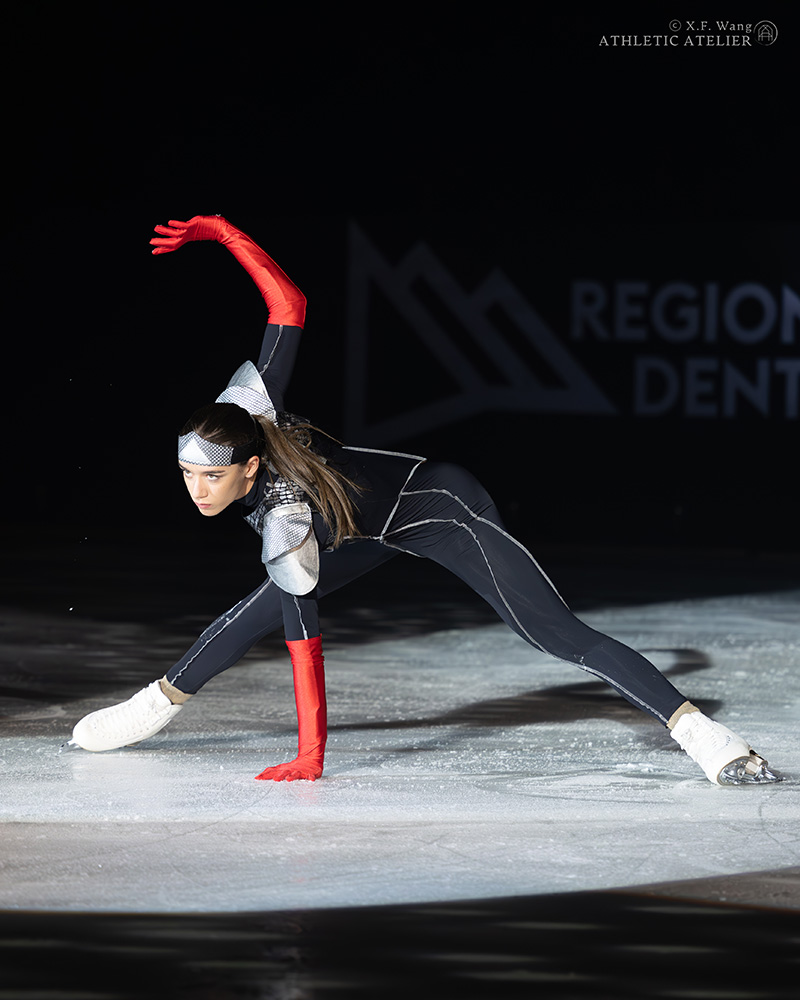
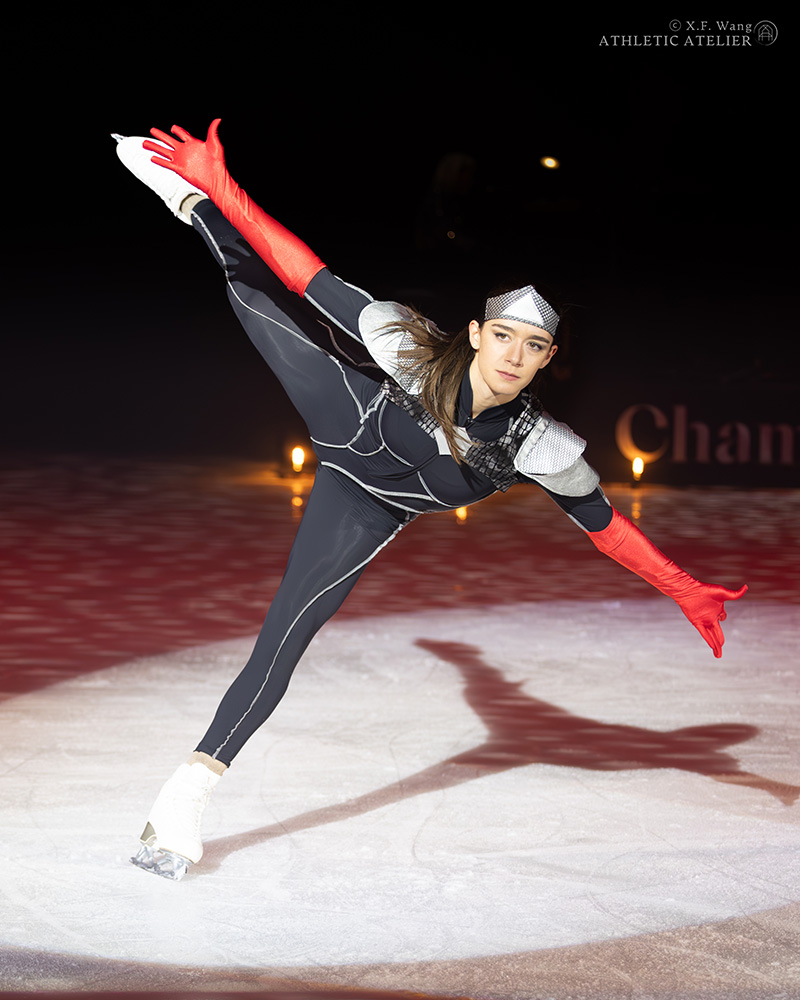
According to the program notes, Lara Naki Gutmann's character is a woman who seizes power through observation and lies, proclaiming herself the light. Her segment features a great deal of floorwork, which visually adds vertical space and impact. The choreography also has distinctly sharp, angular bends. Lara delivered all of this in a way that was remarkably assertive and clean. Add to that her sidelong gaze held throughout, and the precisely controlled angles of her head — you'd find her captivating, and, indeed, capable of defeating everyone.
Deniss Vasiljevs
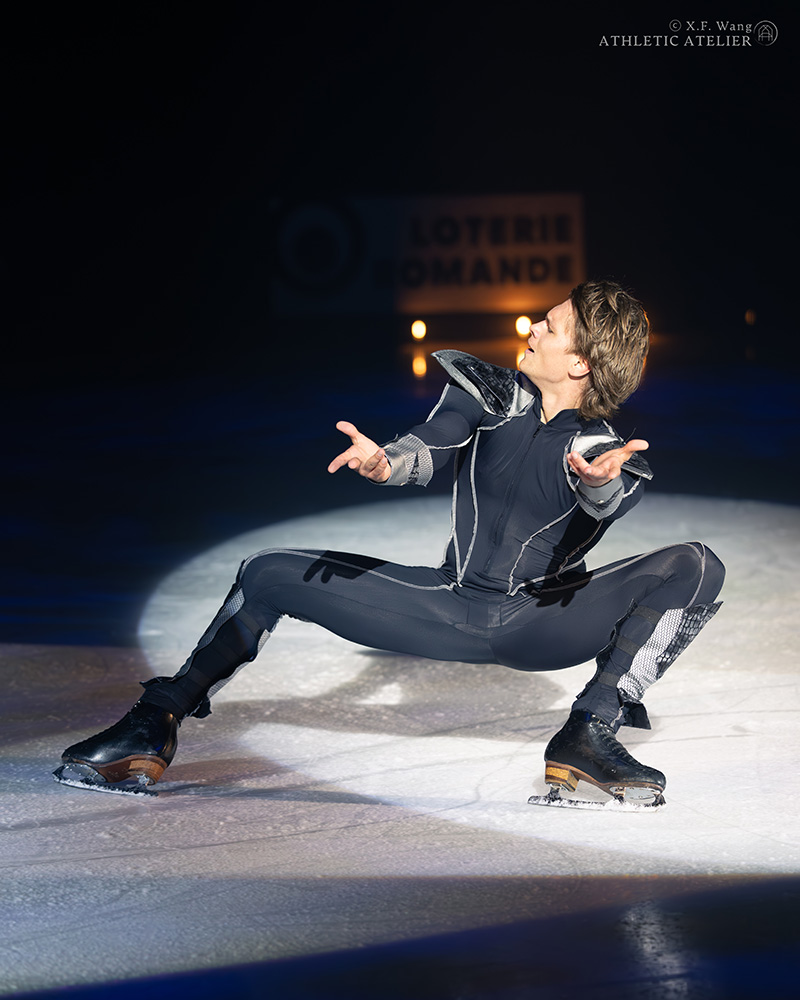
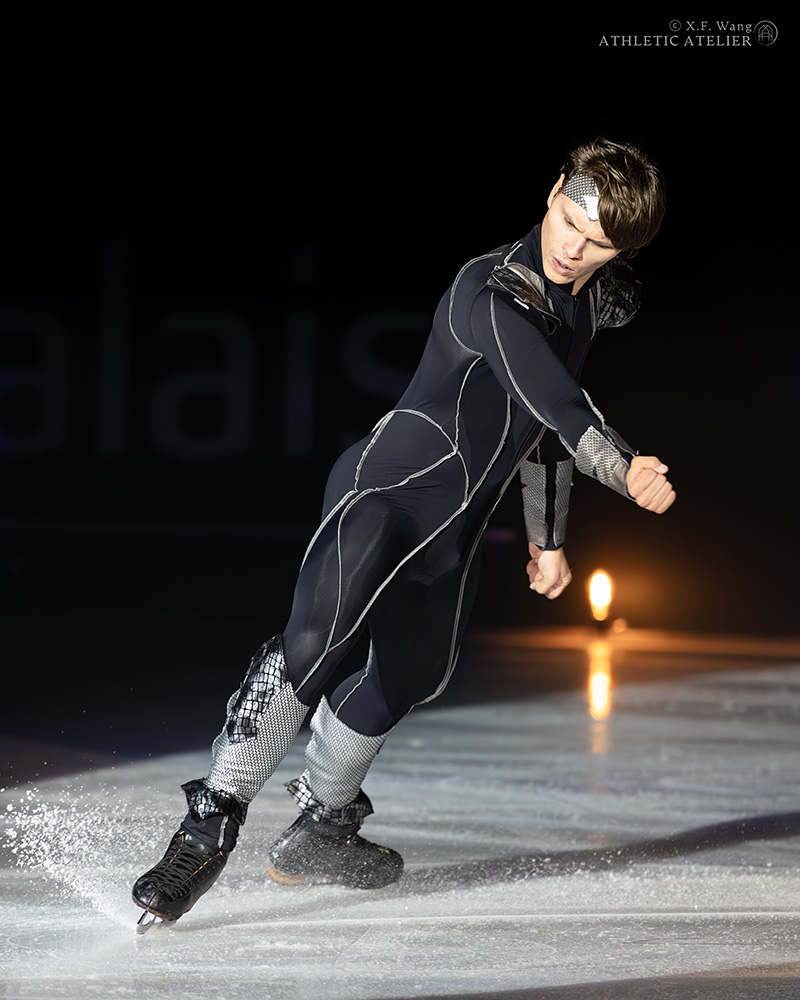
Deniss Vasiljevs is able to bring an immersive sorrow and struggle to a program. He retreats backward on ballet-like toe-pick steps while his upper body leans forward, hands reaching out in longing; his twizzles are fast and powerful, yet his free leg keeps flexing and extending, as if unsure whether to stop or to go on. His program is titled Poisonous Flower, and his interpretation lives between beauty and toxicity, this flower on the verge of being torn apart by its own contradictions.
Satoko Miyahara
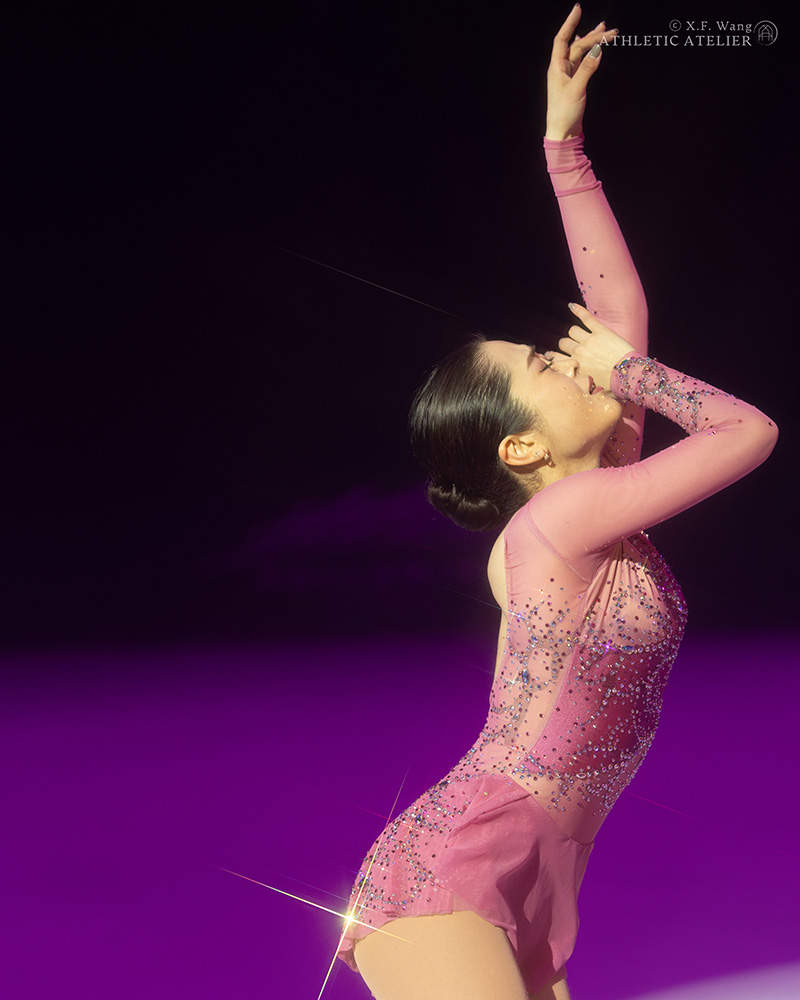
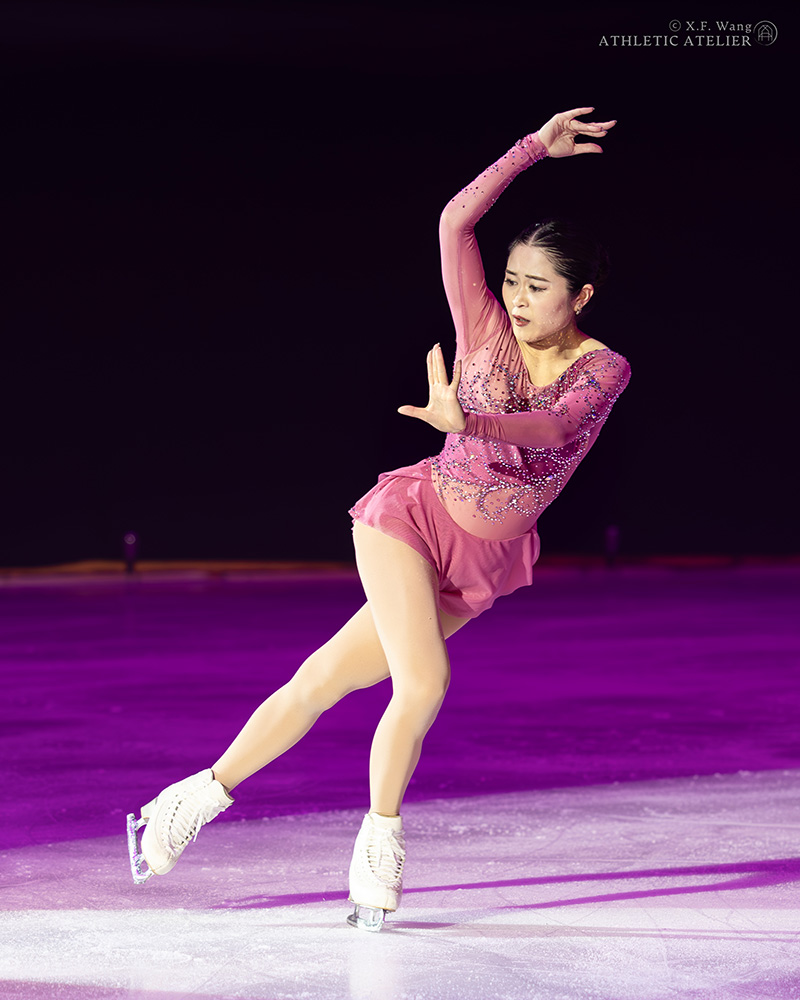
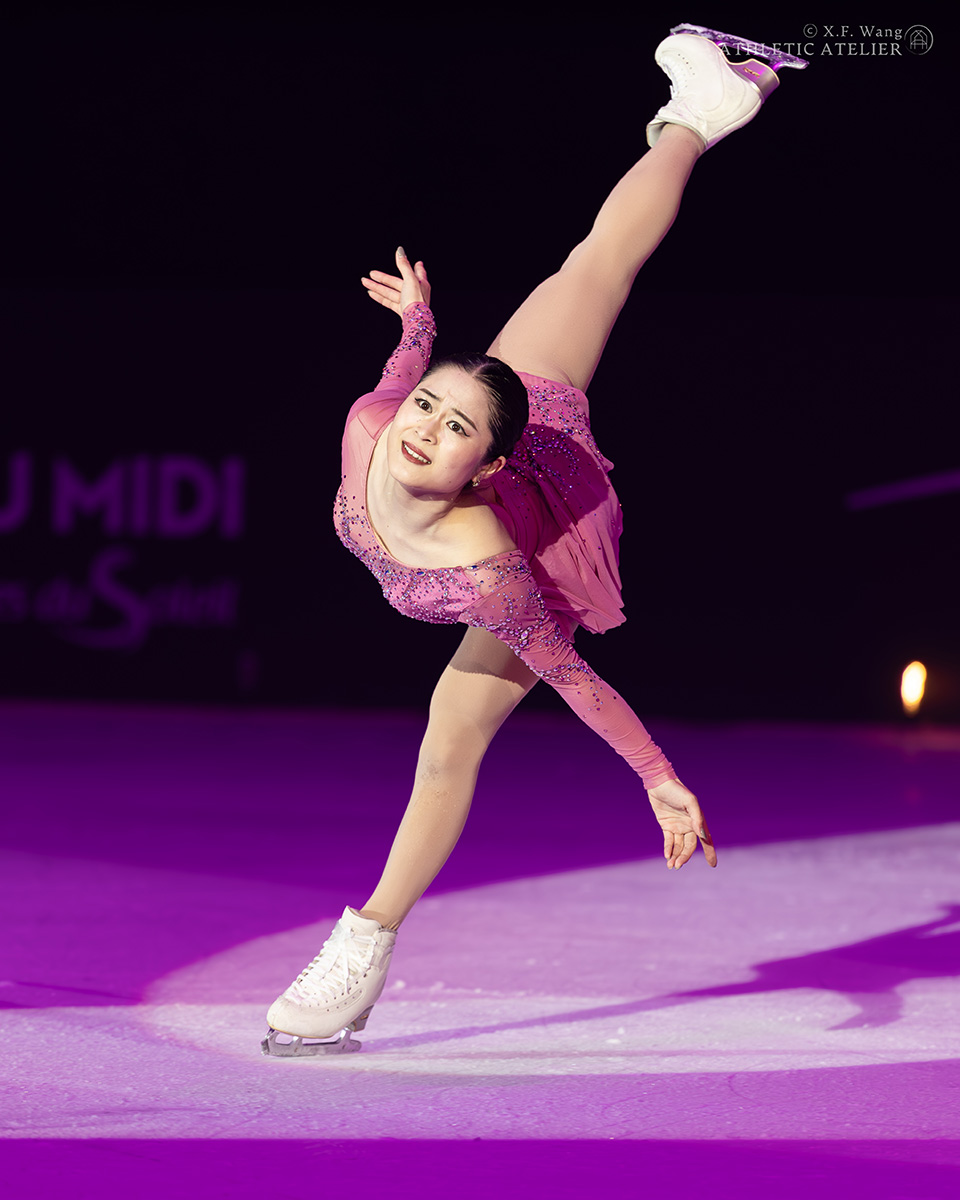
Satoko Miyahara's The Apple portrays a wise young girl walking toward the light. Her musicality is simply extraordinary — it's as if she can hear more layers of the notes than anyone else. Her program has few static holds and flows continuously; she has intimate command of every part of her body, filling the space with the torsion of different parts of her body, and all the while, the movement is beautiful from chest and waist, to shoulders, all the way to the fingertips.
Lukas Britschgi & Raffaele Zich
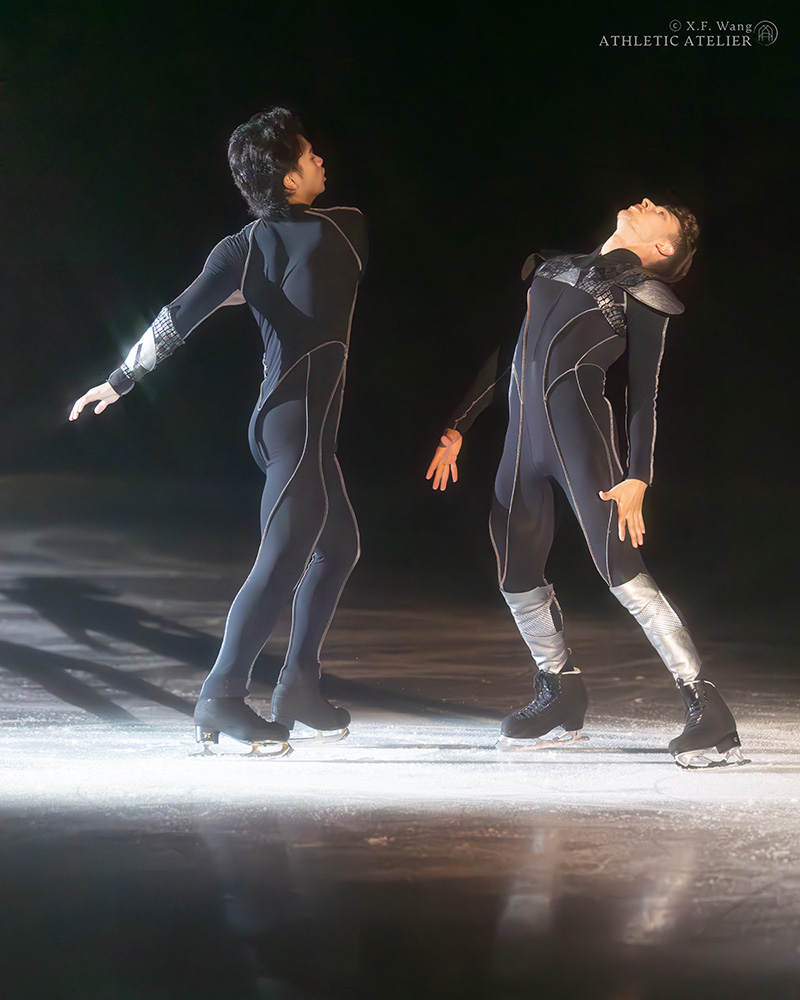
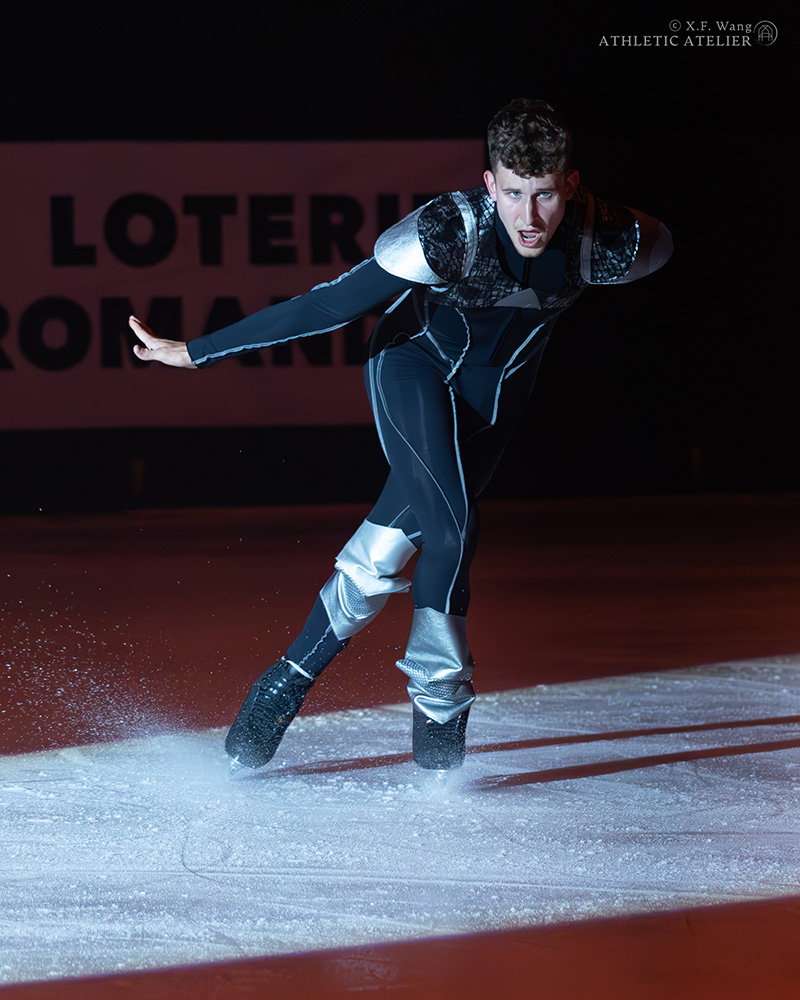
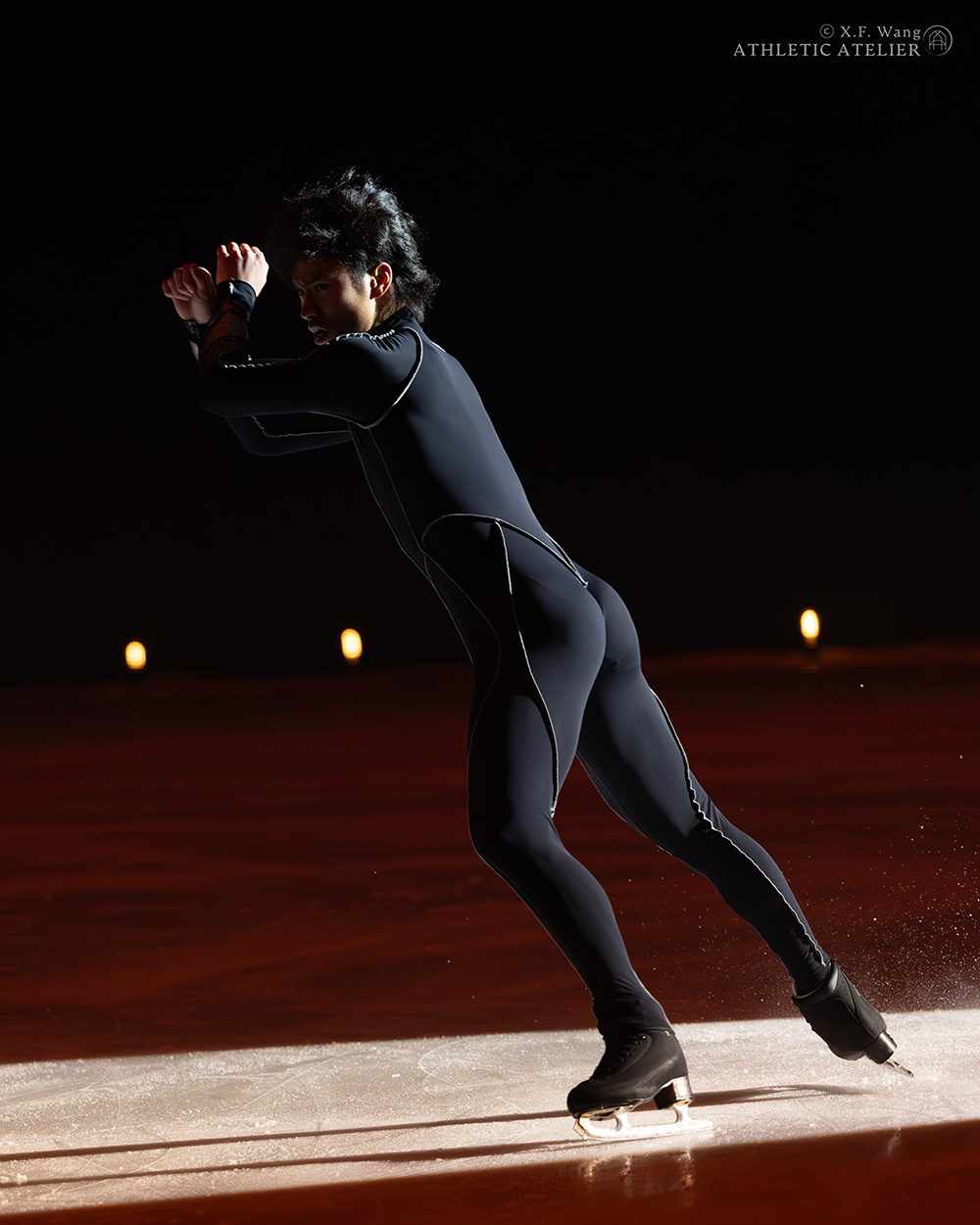
The clash between Lukas Britschgi and Raffaele Zich was the fiercest confrontation of the night. Raffaele is very young, but he skates big, full of wildness, while Lukas showed a more mature sense of power. At the curtain call, Lukas also landed a backflip.
Carolina Kostner
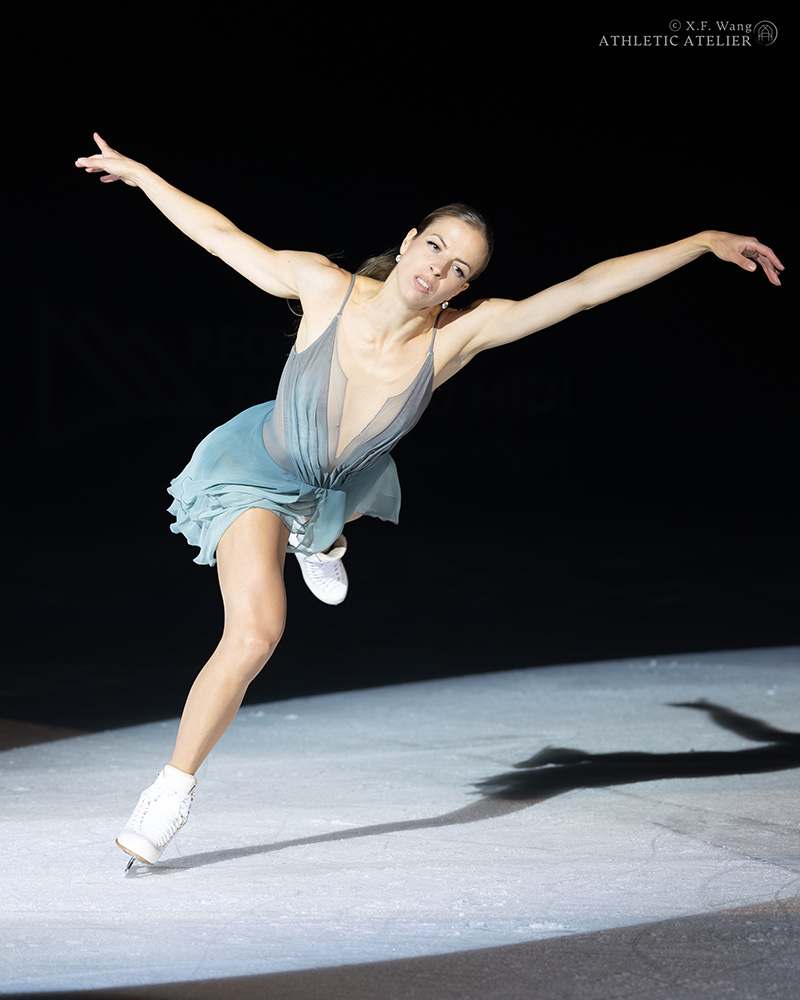
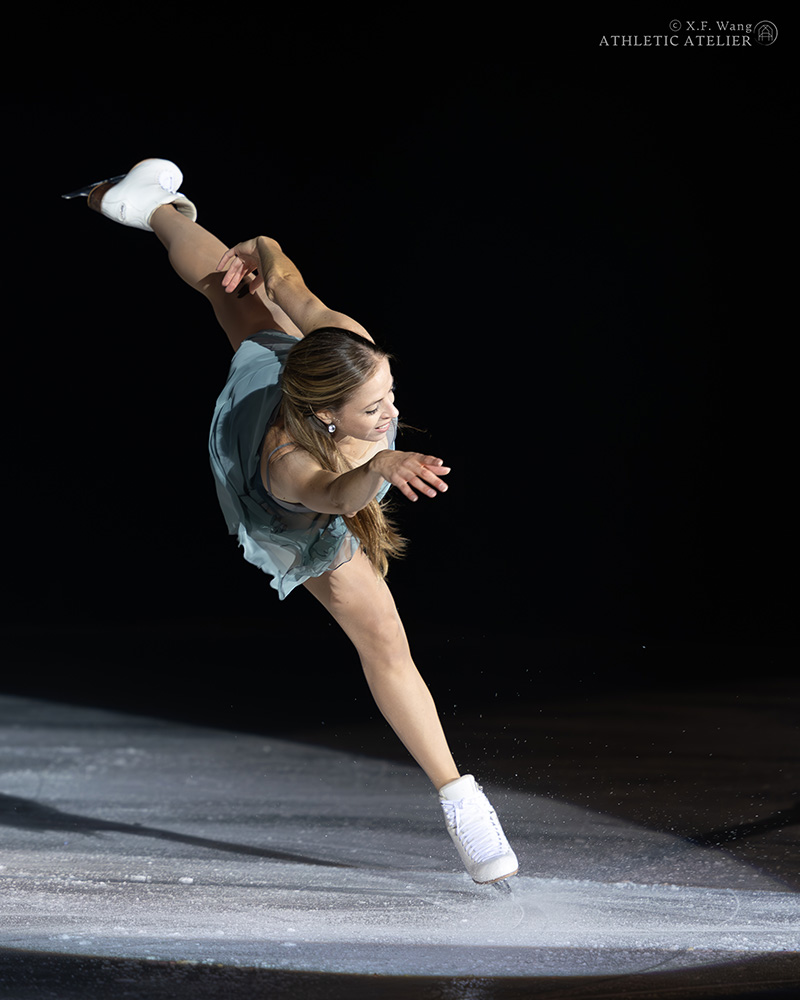
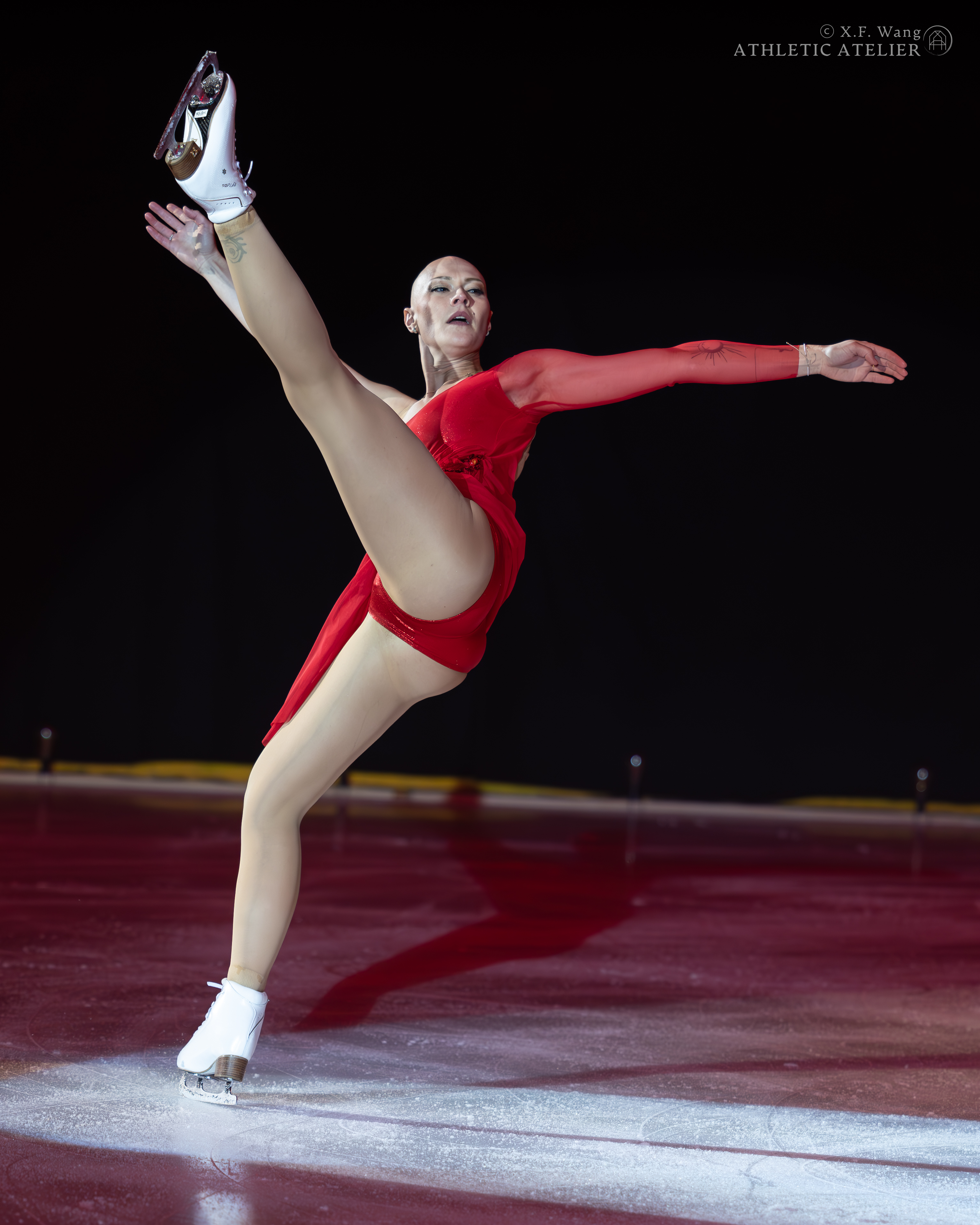
Carolina Kostner's program is titled Essence-Liberation. Her extension reaches very far, her lines are soft. Combined with her skating speed and ice coverage, she was the perfect choice for this program.
Oxana Vouillamoz / Tom Bouvart
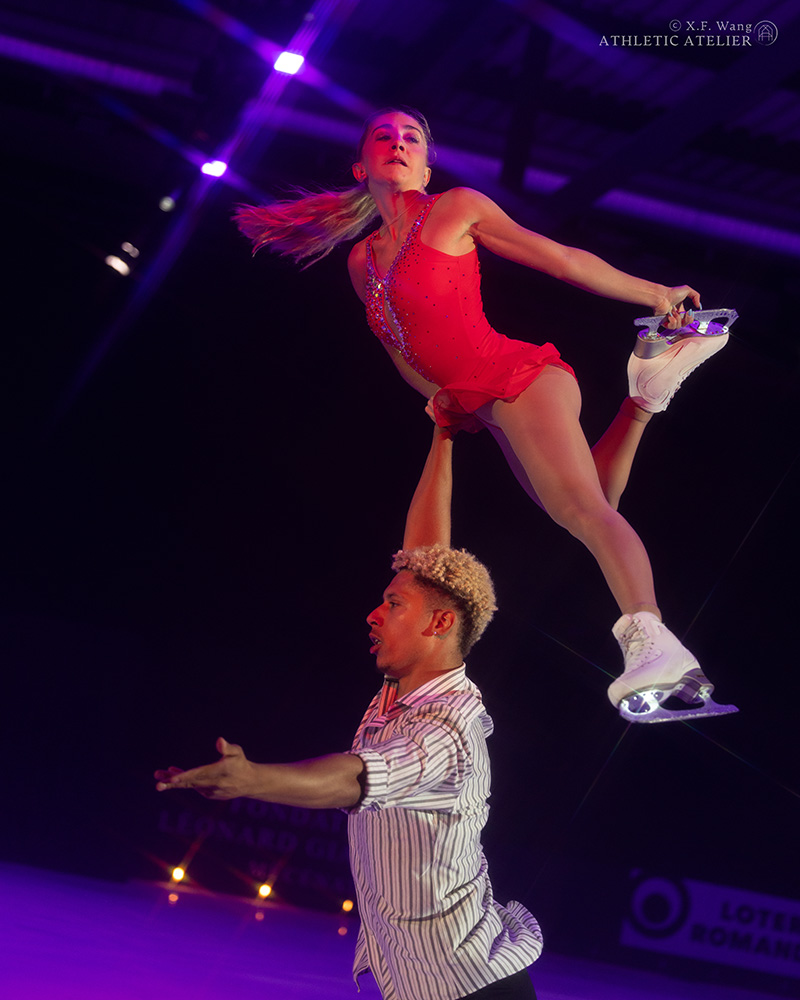
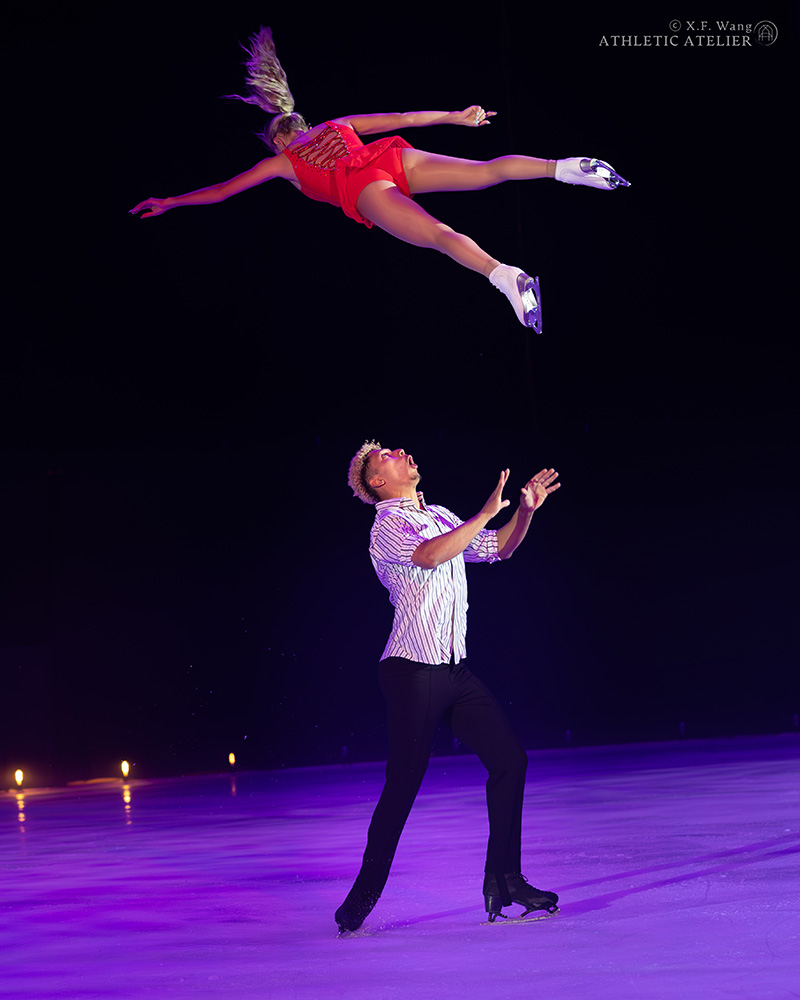
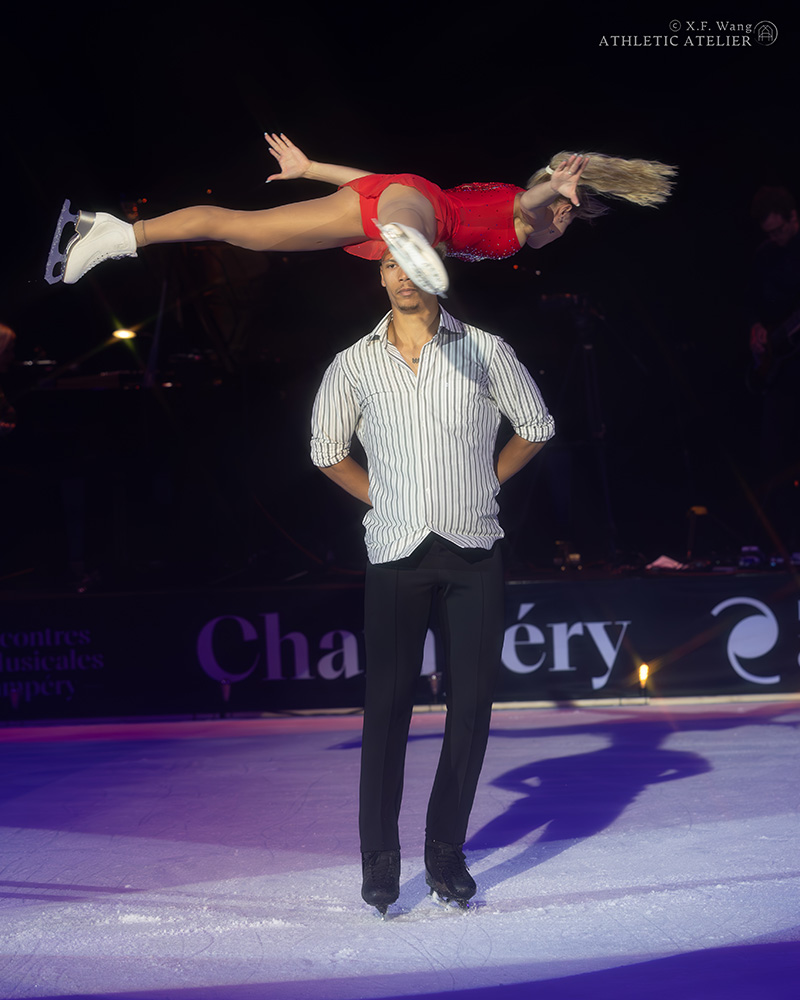
Oxana Vouillamoz / Tom Bouvart's program is titled Up There — as the only pairs team of the night, this task naturally fell on their shoulders: the high, floating Twist Lift that drew gasps from the audience, and their clean Throw Jump.
Giulia Isceri
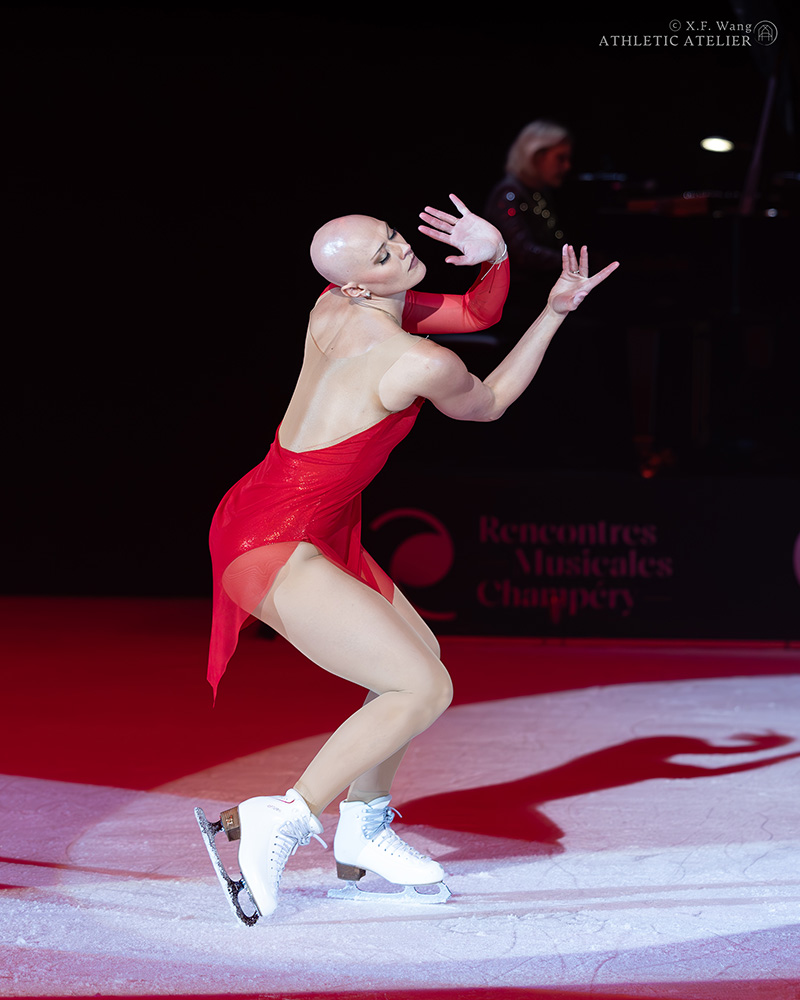
Giulia Isceri's program, Zeus, has a strong sense of nature. She cleverly used body language to give form to the flowers and the moon in the lyrics, and with limbs that now coiled, now stretched, she was like a growing plant.
Juulia Turkkila / Matthias Versluis
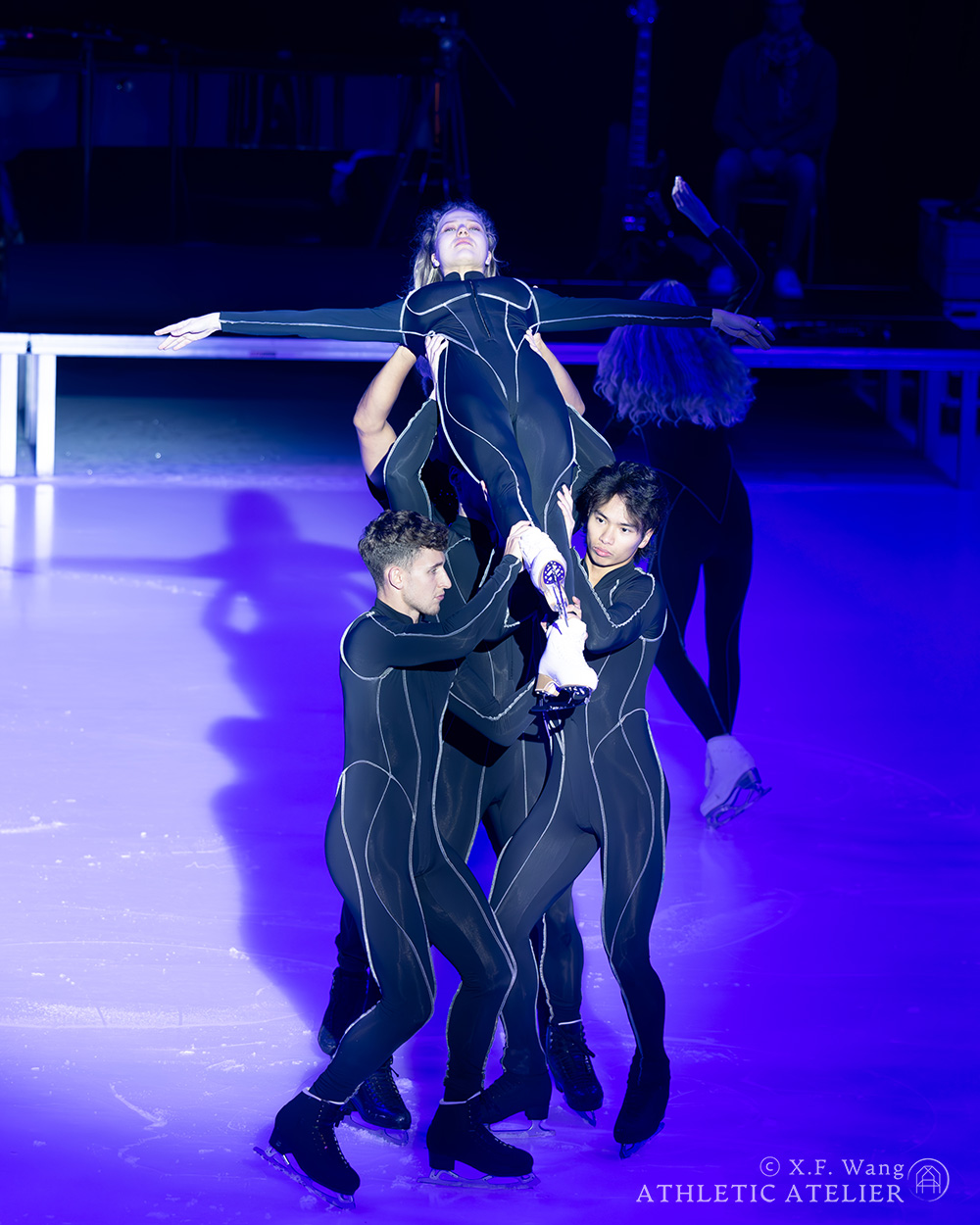
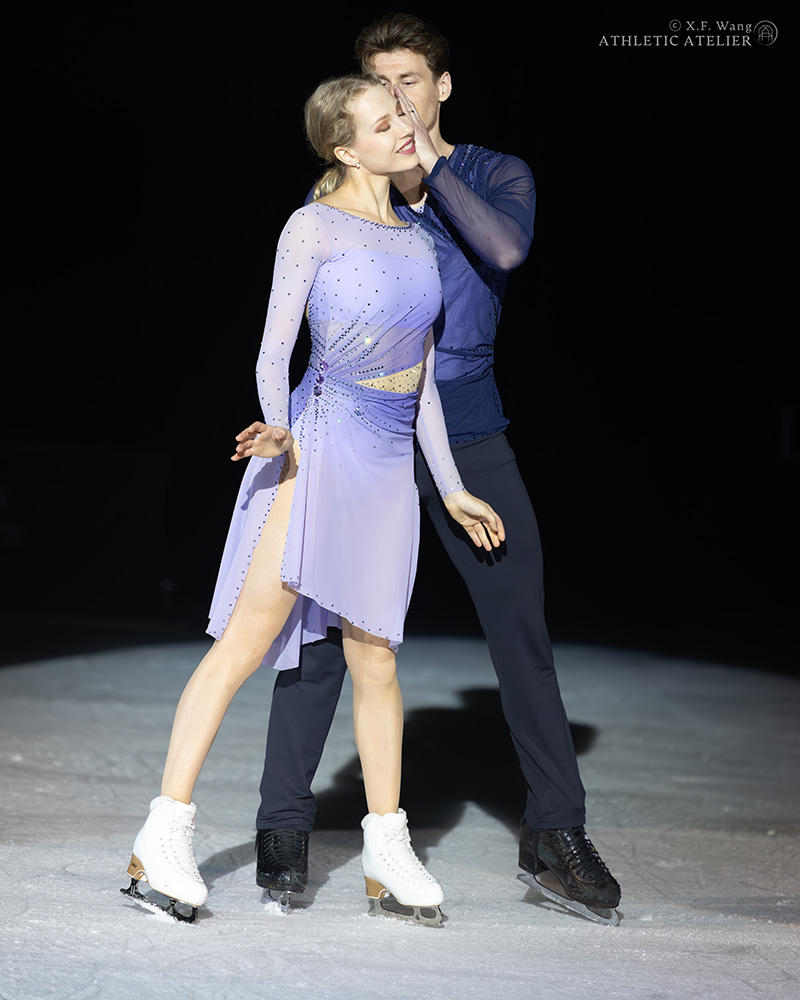
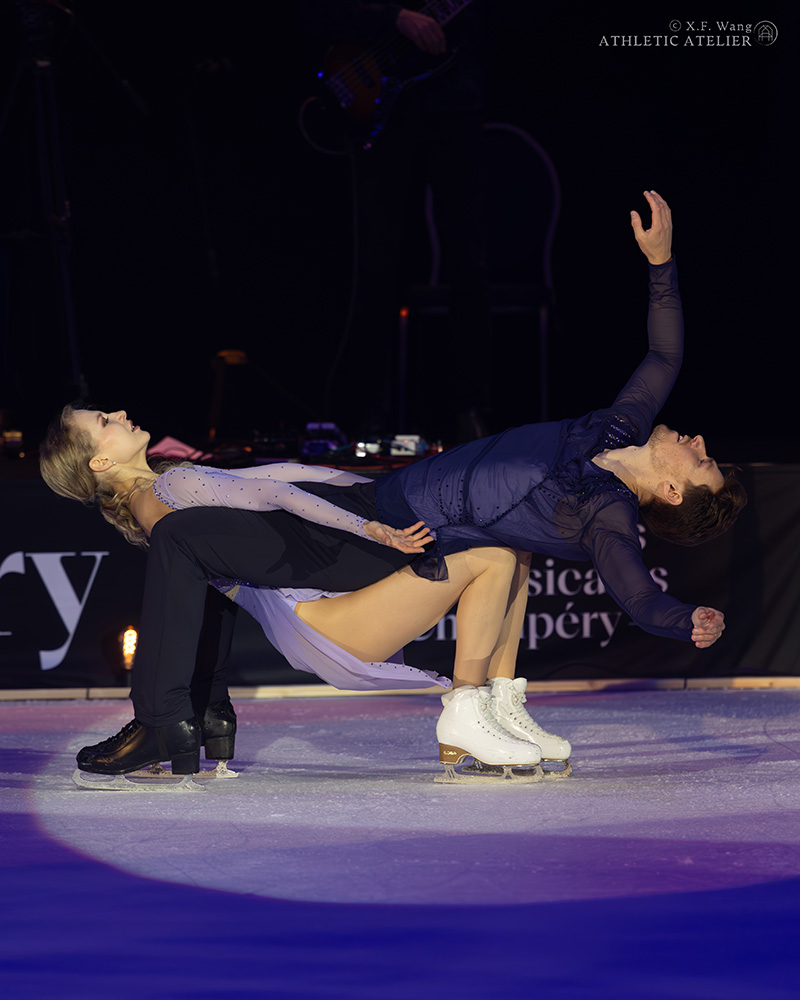
Juulia Turkkila / Matthias Versluis, the top Finnish ice dance duo known for their elegant style, didn't disappoint. Their coordination and synchronization were always flawless. The classic sacrificial lift in the opening ensemble was also performed by Juulia — Lukas, Zich, Matthias, and Bouvart, four of them, lifting her up as she formed a cross.
Stéphane Lambiel
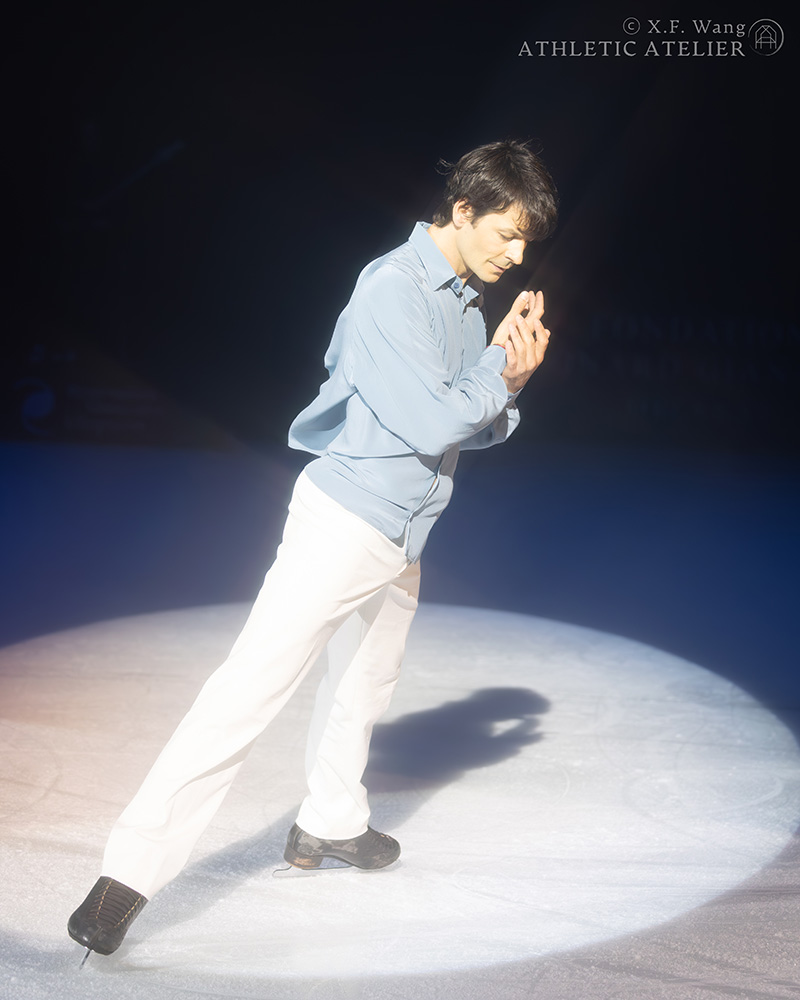
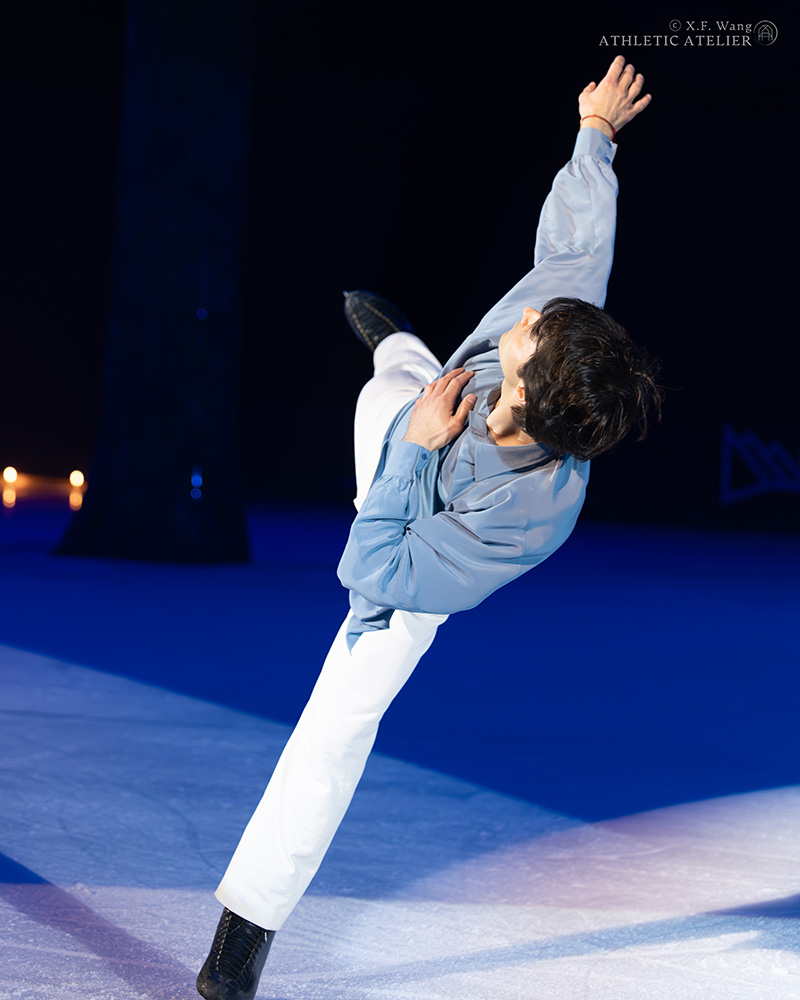
No one can command an audience on the ice quite like Stéphane Lambiel. Even with his head lowered and his arms drawn inward, his energy strikes like a laser, remaining powerful all the way to the last row of the Palladium. Stéphane portrays a dream in this program "Sleepwalker" — and invites you to enter it with him. He can still execute clean triple jumps and perfect spins. He shows the entire figure-skating world what a top male singles skater looks like when he truly matures as an artist while maintaining a high technical standard.
Beyond Technique
By the time the show ends, you realize that these skaters — different disciplines, from Olympic medalists to children who can only do double jumps — but all of them are revealing the beauty of this sport. When you watch elite competitive figure skating, you'll see some skaters land superb technical elements but with curled, ugly fingers, a stiff upper body, or incoherent choreography designed only to display body movements for a higher level of grading. This is because the rules of this sport are so complex that most skaters are stretched thin just keeping up with them.
Yo-Yo Ma once said: "You are there to transcend technique in order to express." Yet, to reveal true beauty demands extra energy, training, and devotion — only then do those seemingly effortless moments emerge. These are the moments that linger in your mind long after the program ends, much like the afterimage of a brilliant light that burns on your retina long after you've looked away.
If a child comes to "L'Arbre de Lumière", they will see a shimmering light within the tree, and believe that if they skate toward it, they will reach it. An adult, though, will see the stubborn faith the artists poured into this, and a devotion way beyond what any commission would demand.
The artists pour everything into keeping the light alive within the tree — never seeing that they, too, were quietly glowing.
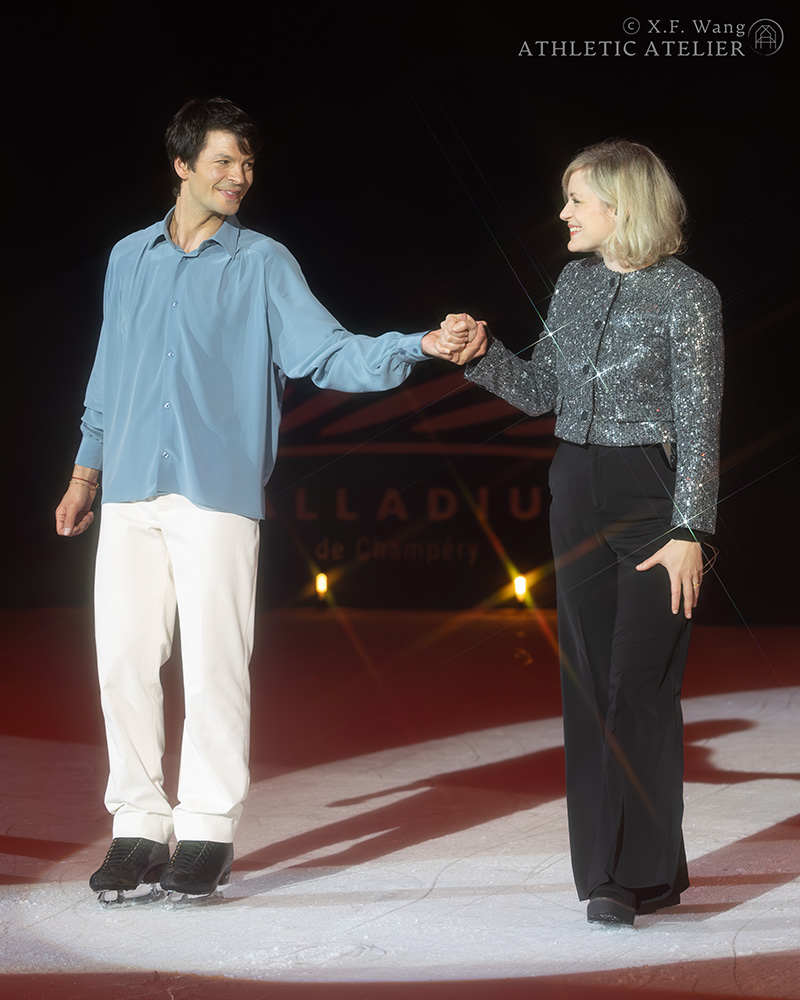
The show is part of the Rencontres Musicales de Champéry, an annual classical music festival in Champéry, Switzerland. It returns in 2027 — more on their official website.
Credits
Full Program
- 1.Champ des Morts — Ensemble
- 2.Guerre Humaine — Ensemble
- 3.The Two — Lukas Britschgi & Raffaele Zich
- 4.Perfect Day — Lara Naki Gutmann
- Interlude – Poisonous Flower — Deniss Vasiljevs
- 5.Armageddon — Ensemble
- 6.The Light — Students of the Skating School of Switzerland
- 7a.Zeus — Giulia Isceri
- 7b.The Apple — Satoko Miyahara
- 7c.Essence-Libération — Carolina Kostner
- 8a.Up There — Oxana Vouillamoz / Tom Bouvart
- 8b.Sleepwalker — Stéphane Lambiel
- 9.Dark Matter — Juulia Turkkila / Matthias Versluis, Ensemble
Production
- Choreography: Salome Brunner
- Text: Danielle Berrut
- Costumes: École de Couture Valais
- Illustrations: Kateřina Fantová (mandolinearts)
- Light and Sound: Skynight
- Recording: Mediaprofil
Cast
- Beatrice Berrut
- Stéphane Lambiel
- Lukas Britschgi
- Lara Naki Gutmann
- Giulia Isceri
- Carolina Kostner
- Satoko Miyahara
- Juulia Turkkila / Matthias Versluis
- Deniss Vasiljevs
- Oxana Vouillamoz / Tom Bouvart
- With Skaters from Skating School of Switzerland (including Raffaele Zich)