

.jpg)
March 1, 2026 | Tartu, Estonia
The prestigious Miss Valentine international rhythmic gymnastics tournament concluded its 2026 edition on March 1, marking another milestone for the historic competition held in Tartu, Estonia. Running from February 25 to March 1, this year's event shattered previous records with total 700 participants from around the world.
The highlight of the five-day competition came in the Grand Prix category, where European all-around champion and 2024 Paris Olympic finalist Taisiia Onofriichuk delivered a commanding performance to defend her all-around title. The Ukrainian star captivated the carpet with a display of exceptional technical precision and artistic expression, earning thunderous applause from the packed venue.
Onofriichuk's triumph extended into the apparatus finals held the following day, where she claimed two additional gold medals in hoop and ribbon, cementing her status as the undisputed star of this year's tournament.
.jpg)
.jpg)
.jpg)
Making her Miss Valentine debut, Italian sensation Sofia Raffaeli — bronze medalist at the Paris Olympics and reigning World Champion — showcased four entirely new routines for the 2026 season. Despite the freshness of her compositions, Raffaeli demonstrated remarkable competitive maturity to secure bronze medals in both the all-around and individual apparatus finals.
.jpg)
.jpg)
.jpg)
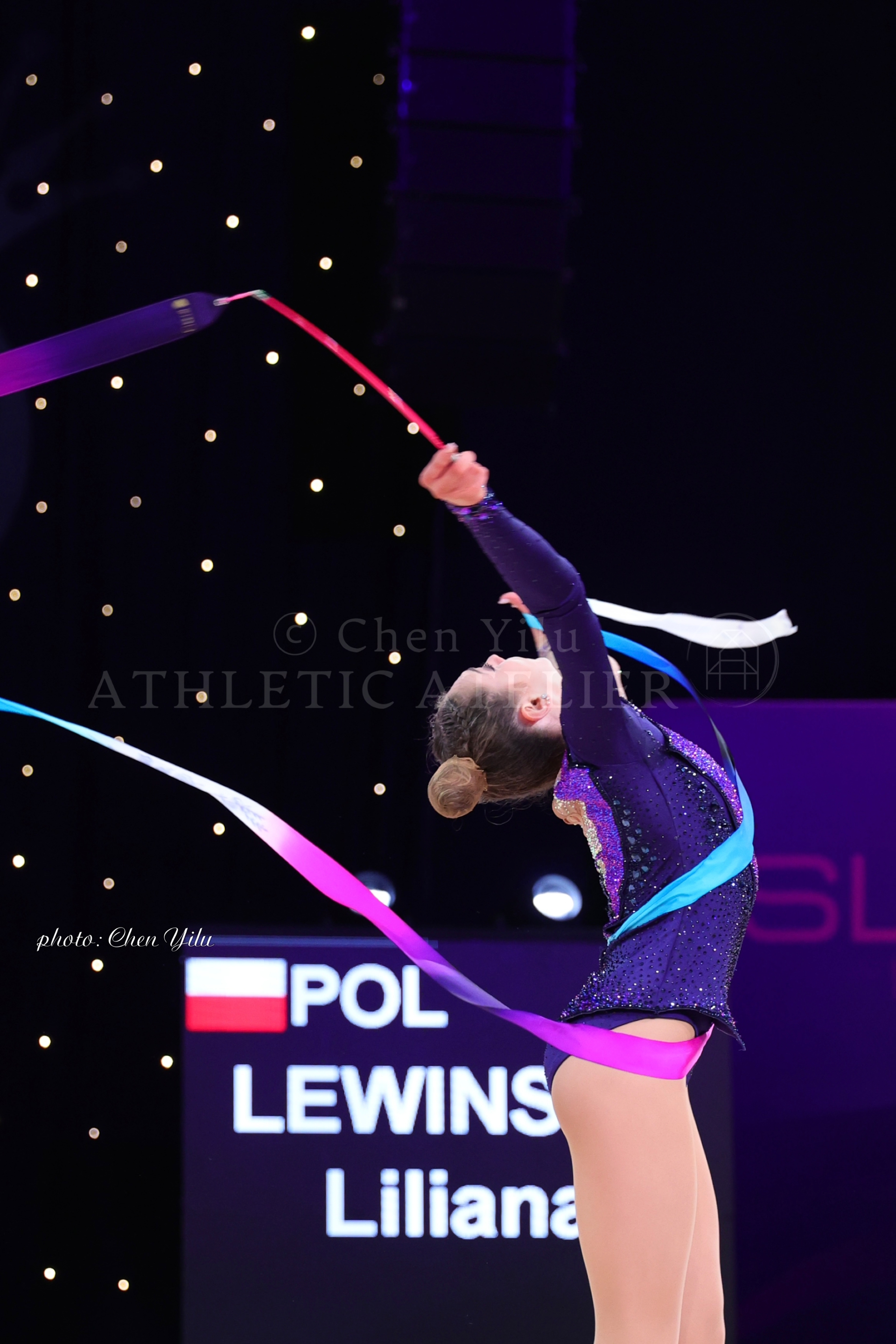
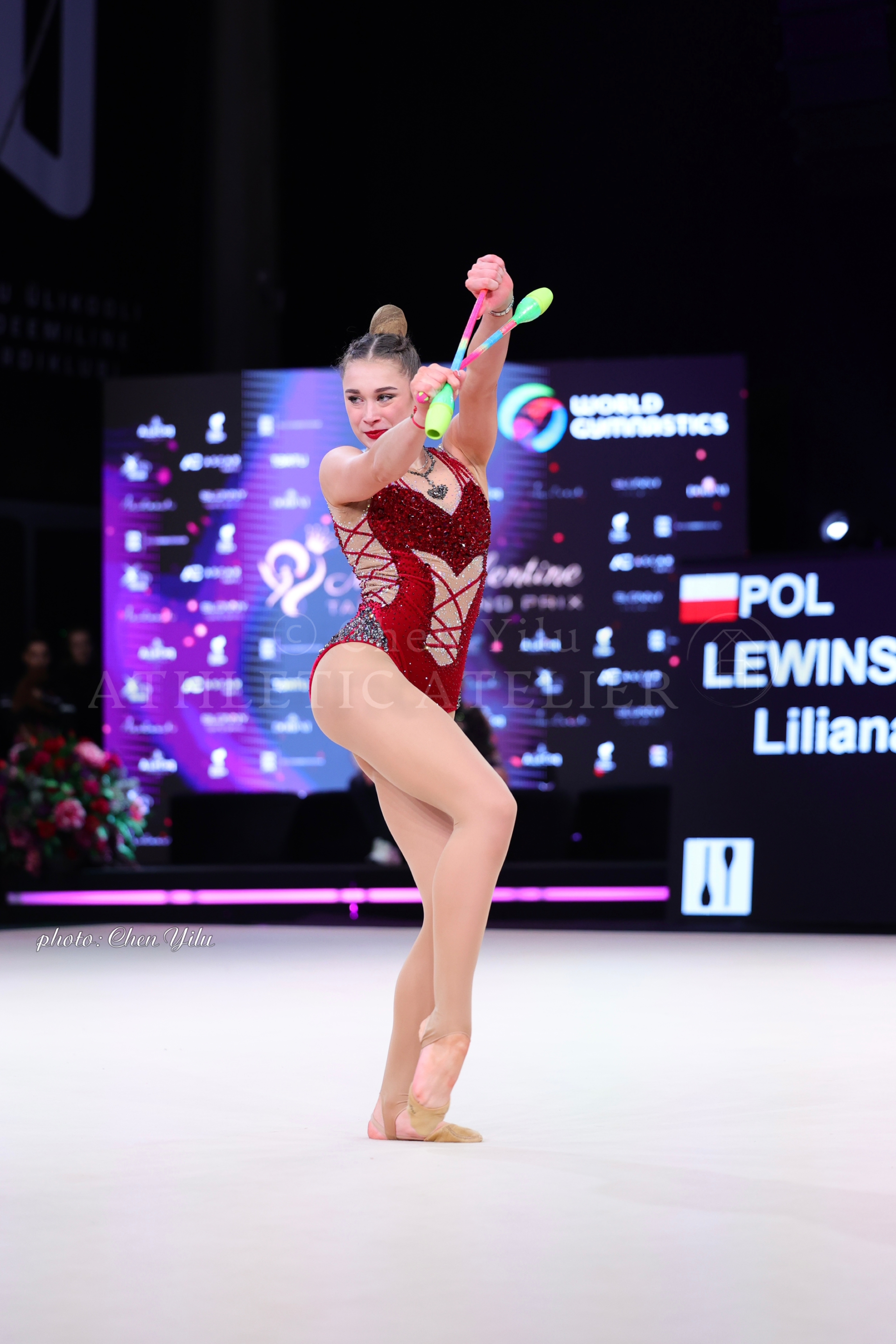
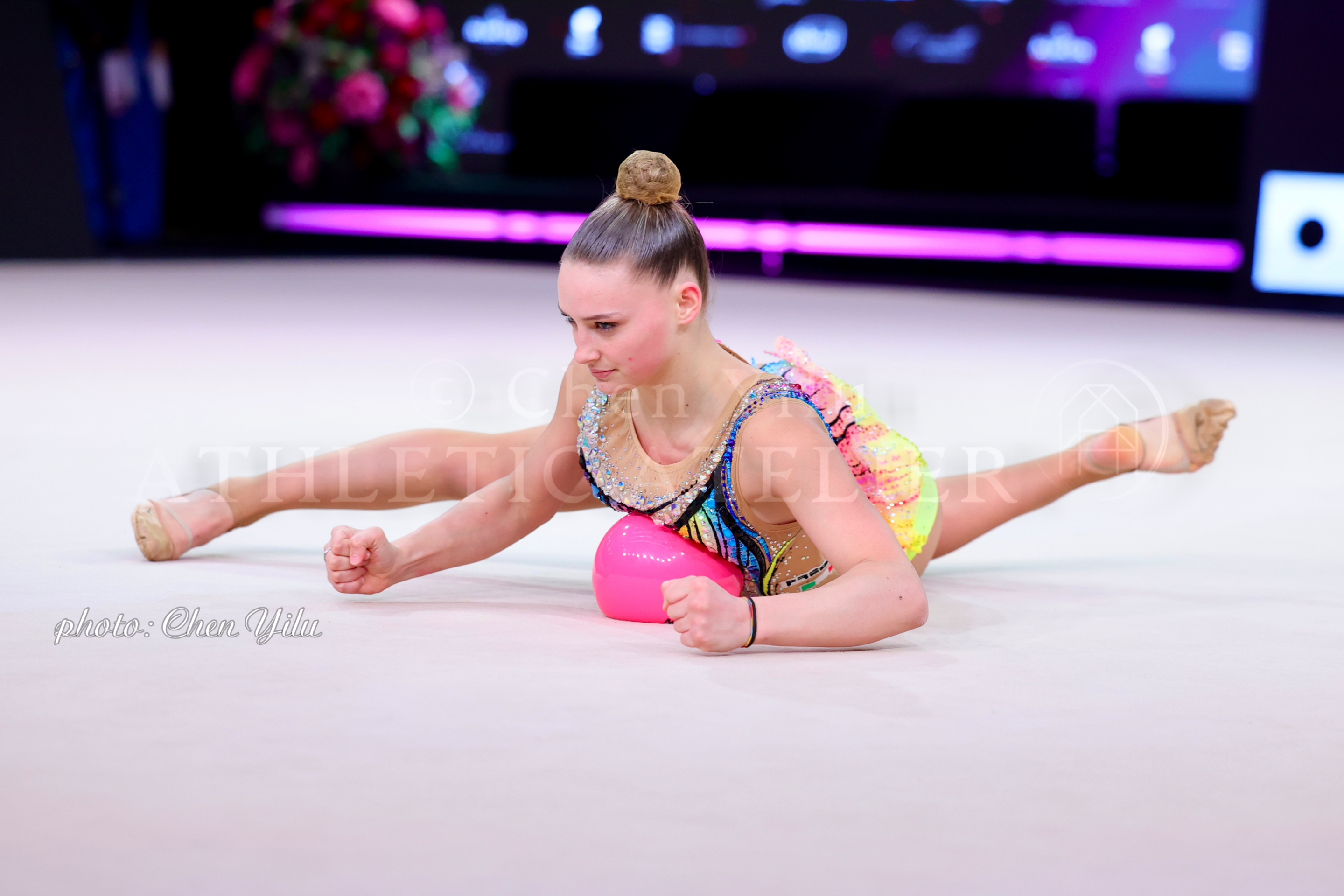
Poland's rising star Liliana Lewinska claimed the all-around silver medal and topped the podium in clubs, while fellow Italian Tara Dragas captured the ball title, ensuring Italy's strong presence across multiple apparatus categories.
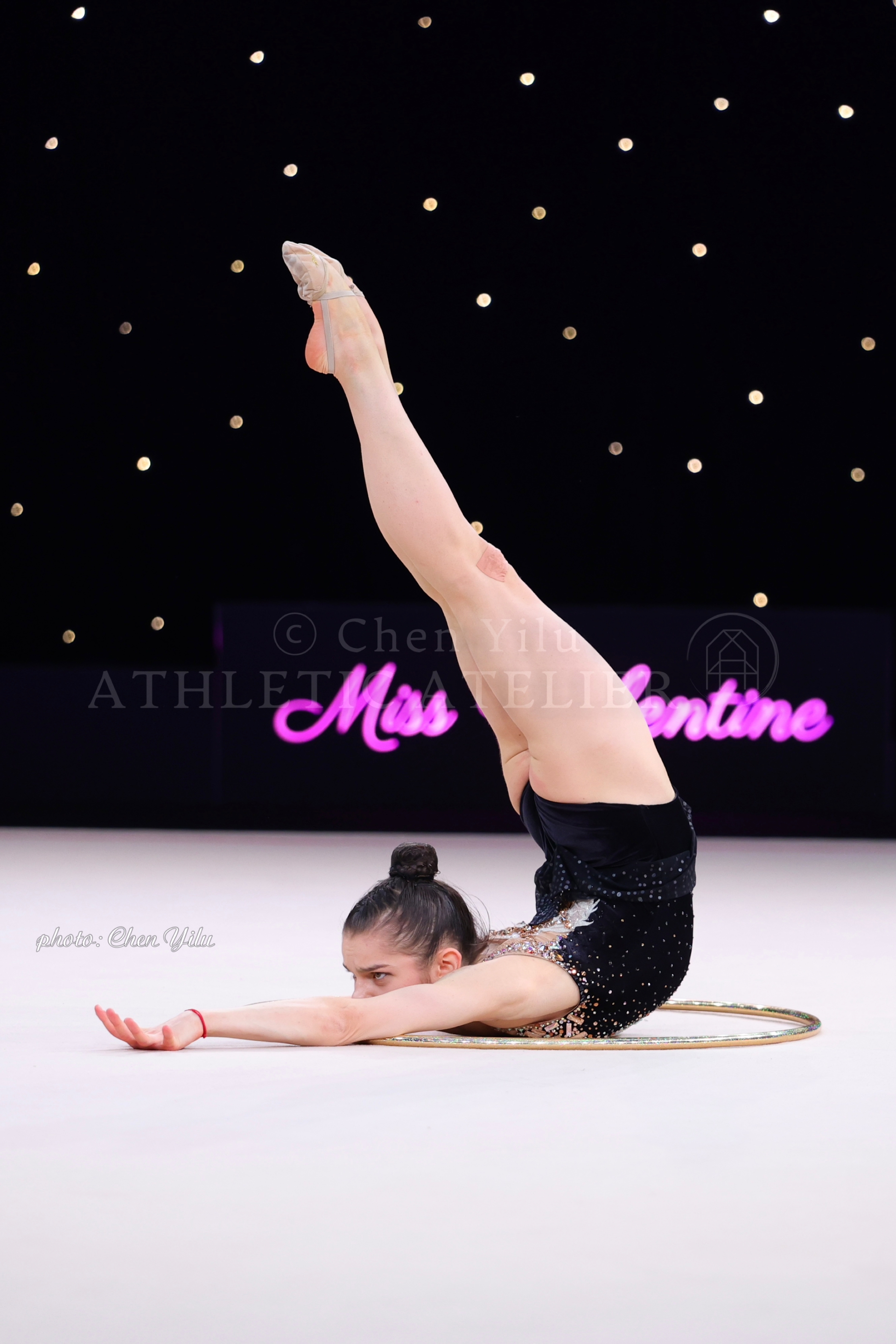
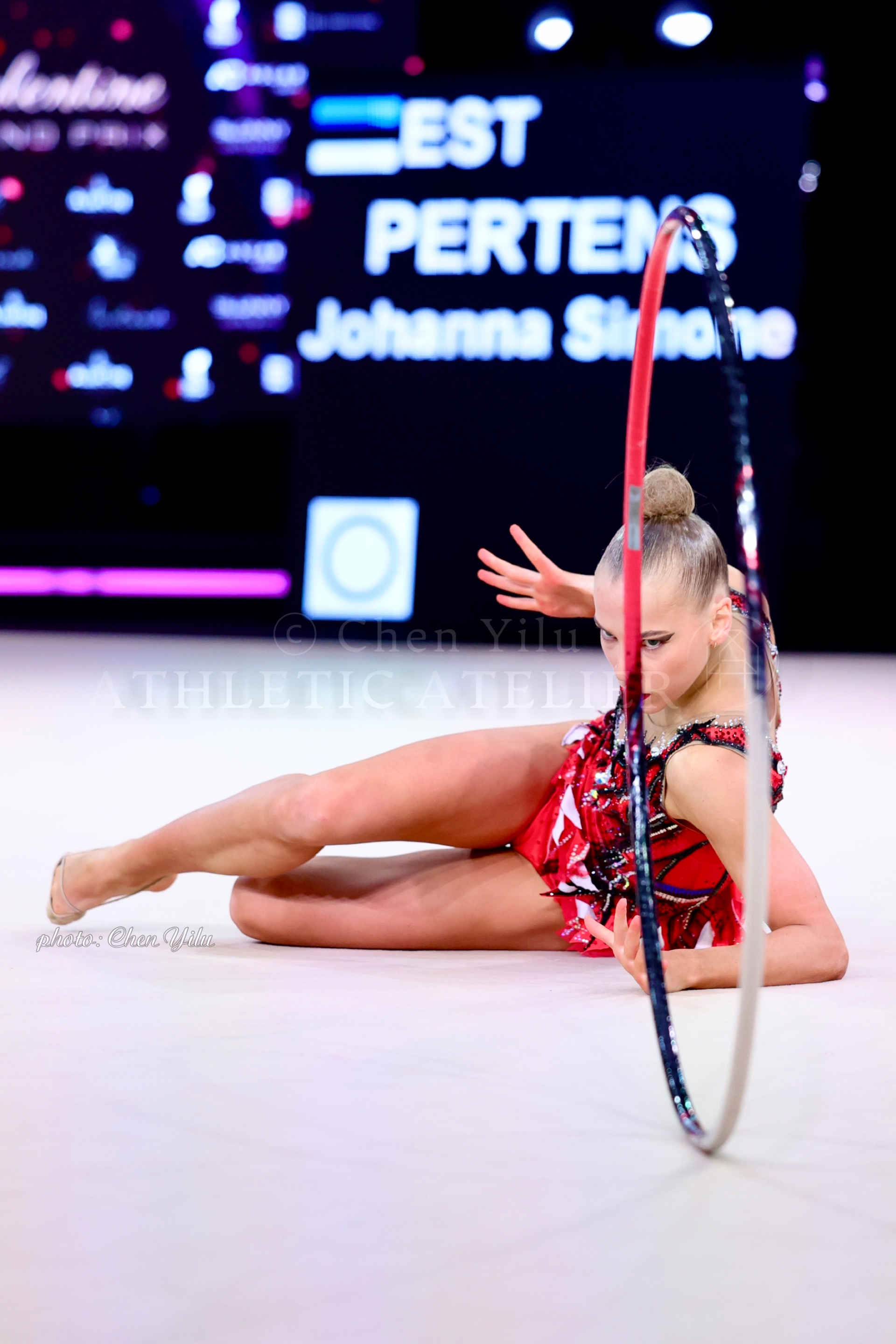
Dara Stoyanova from Bulgaria also started her 2026 season in Tartu, winning silver medal in the hoop final. Estonia's Johanna Simone Pertens, competing on home soil, qualified for the apparatus finals.
Rising Stars in Junior Competition
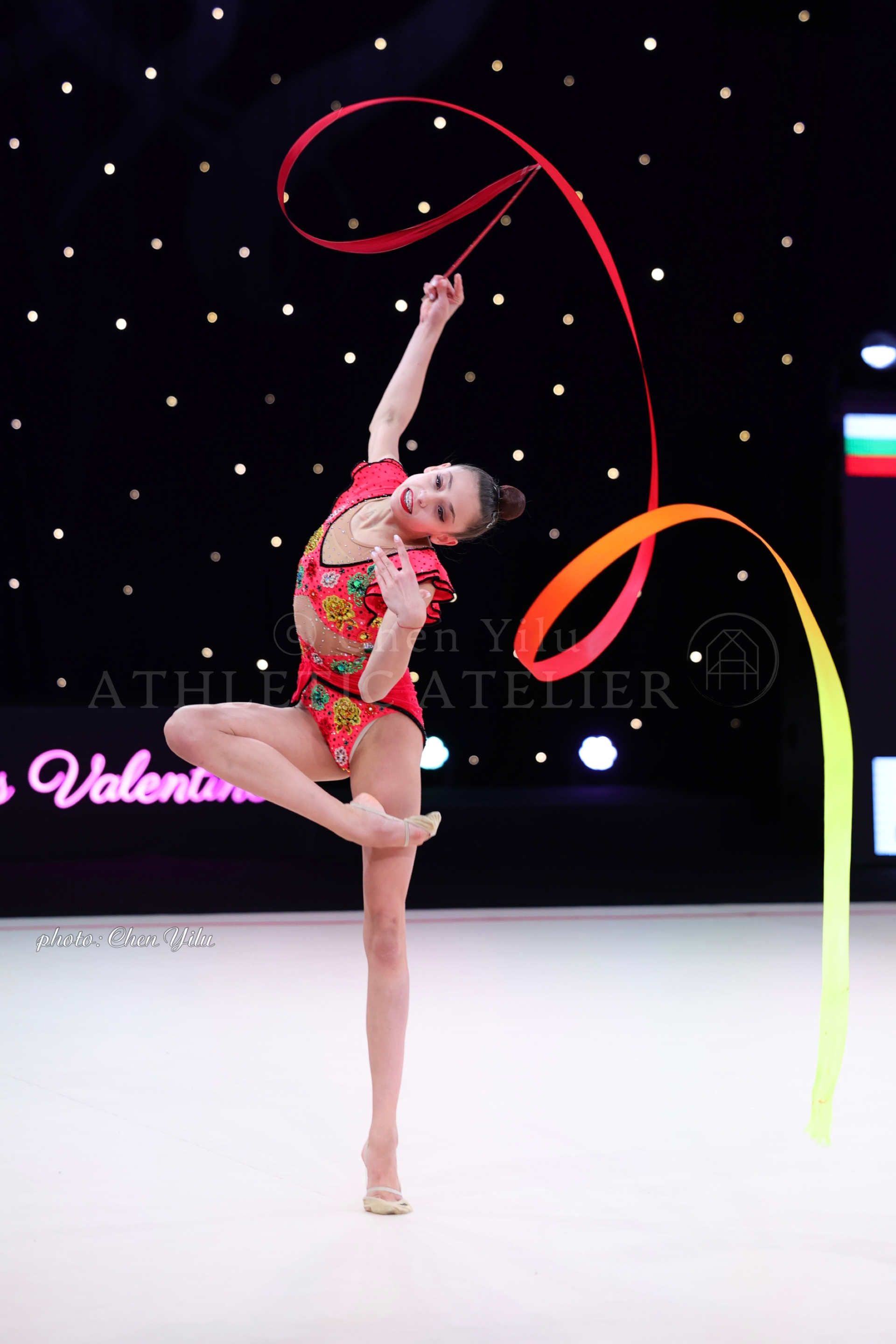
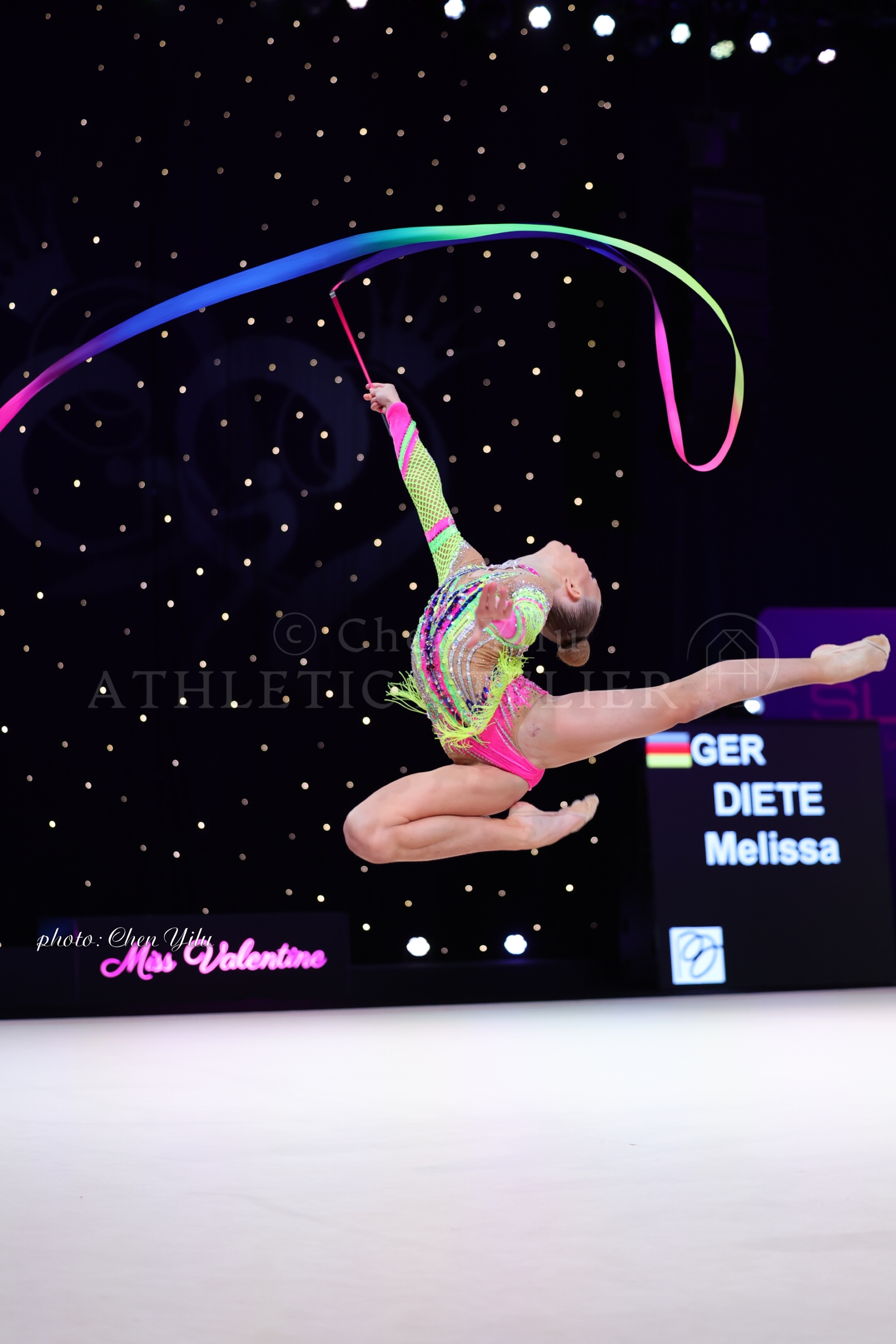
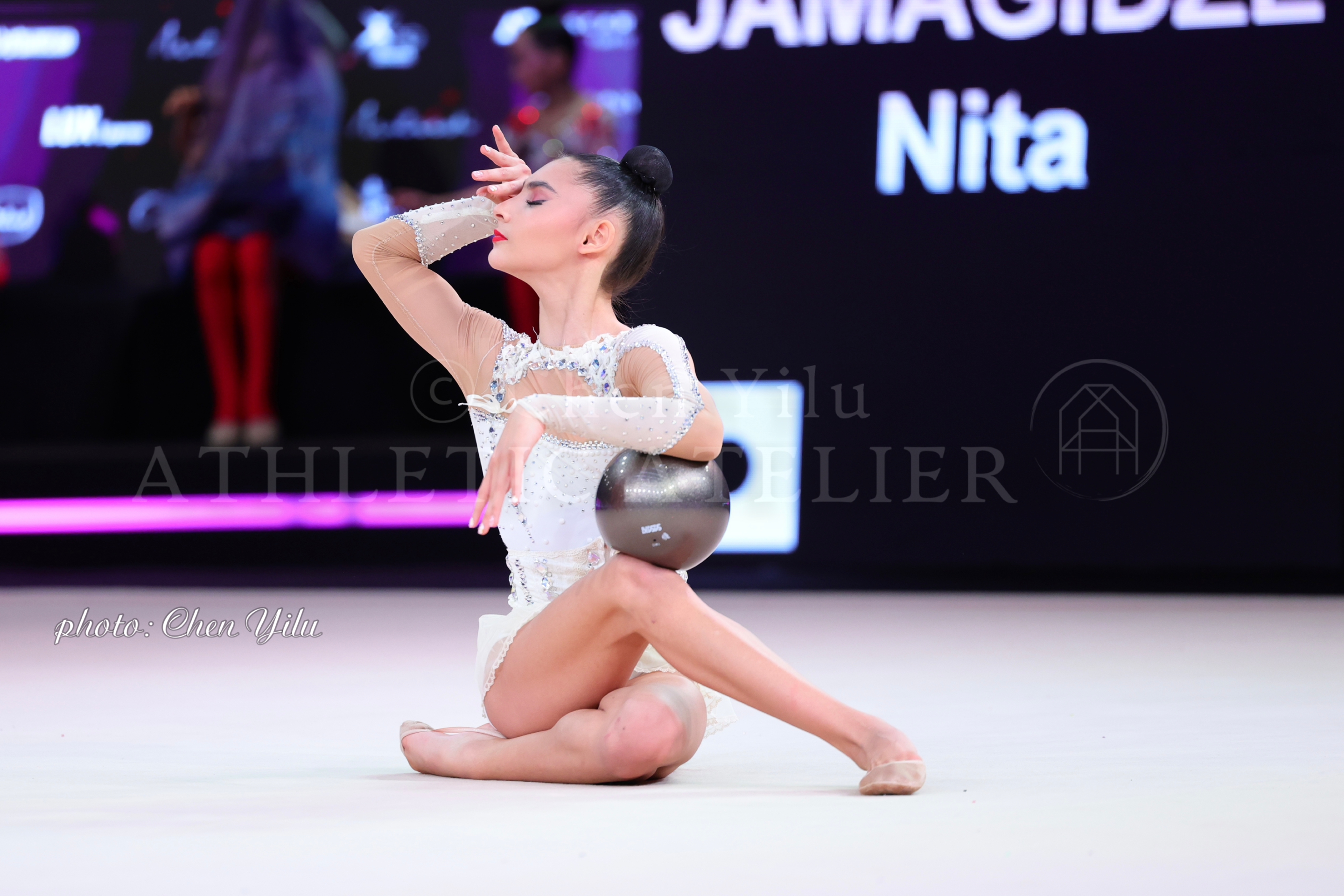
In the Junior competitions, notable participants included Bulgaria's Dea Emilova, who won the Junior All-Around gold, and Nita Jamagidze, the first Georgian rhythmic gymnast to ever medal at the Junior World Championships. Germany's Melissa Diete also impressed spectators.
A Platform for Future Champions
Beyond the elite senior competition, Miss Valentine maintained its reputation as a crucial developmental platform for next generation. The tournament's first three days featured hundreds of young gymnasts competing in age-group divisions, with competitors as young as six years old taking to the carpet. For many of these aspiring gymnasts, the Tartu arena represents their first premiere of international competition — and potentially the beginning of journeys toward future championship glory.
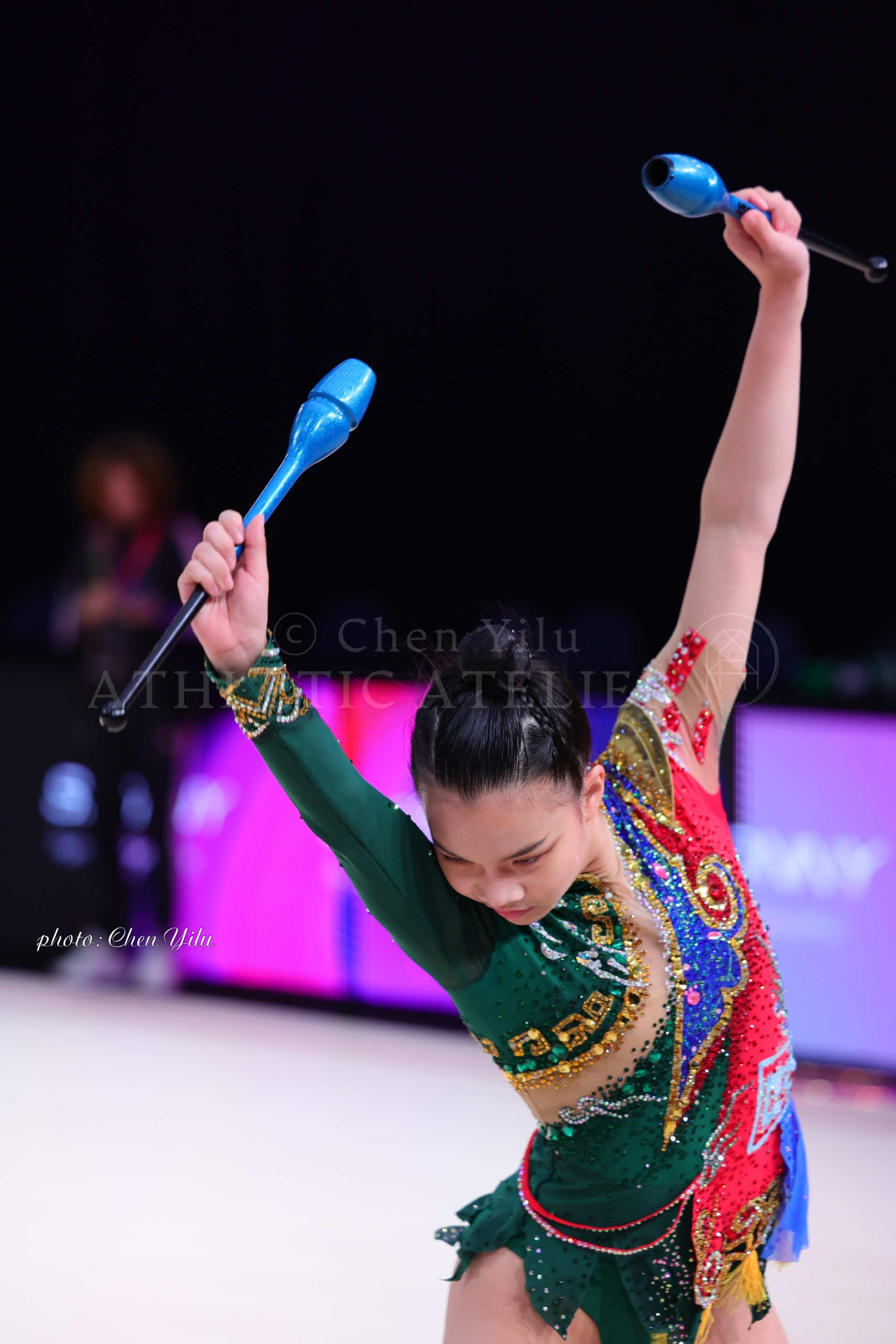
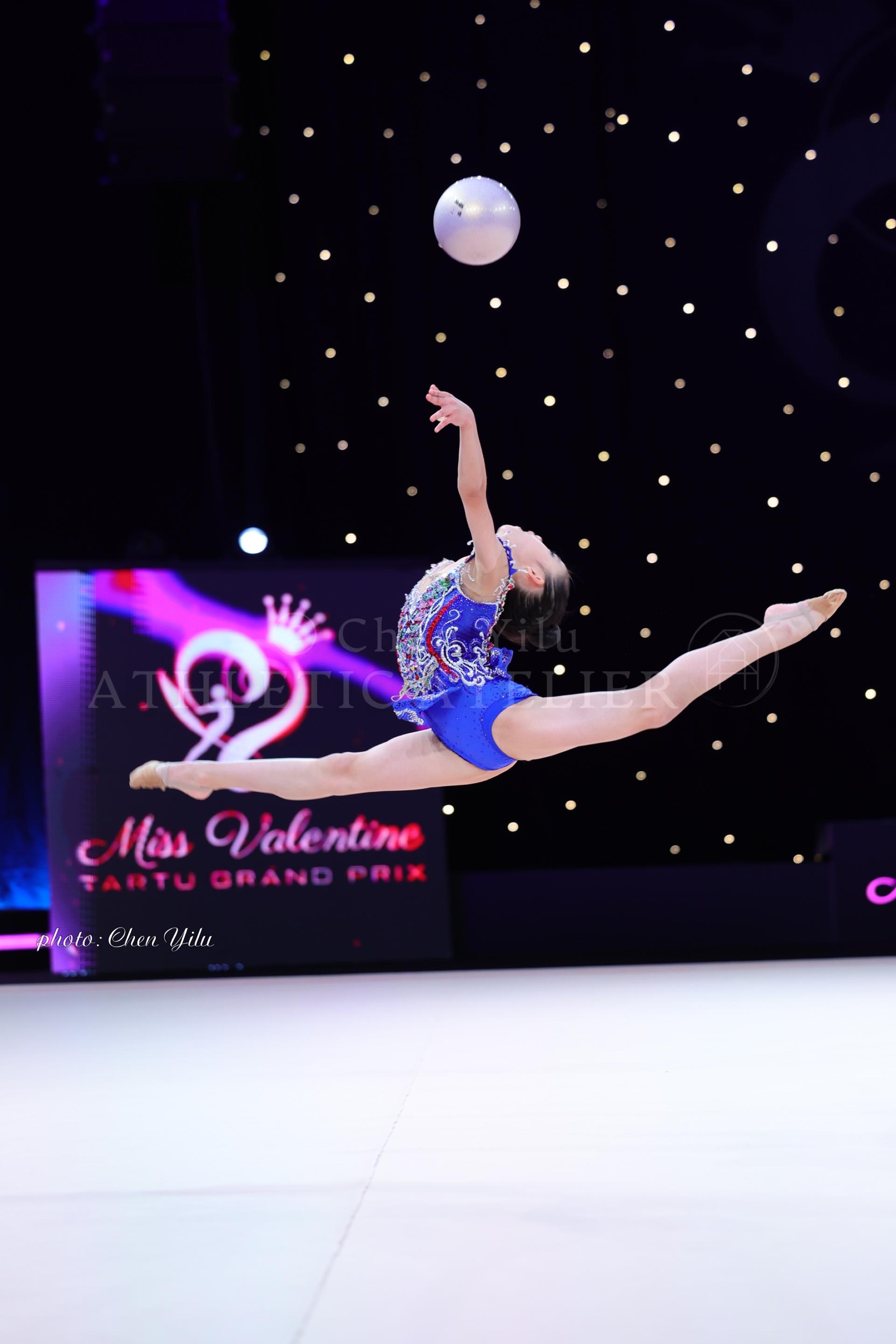
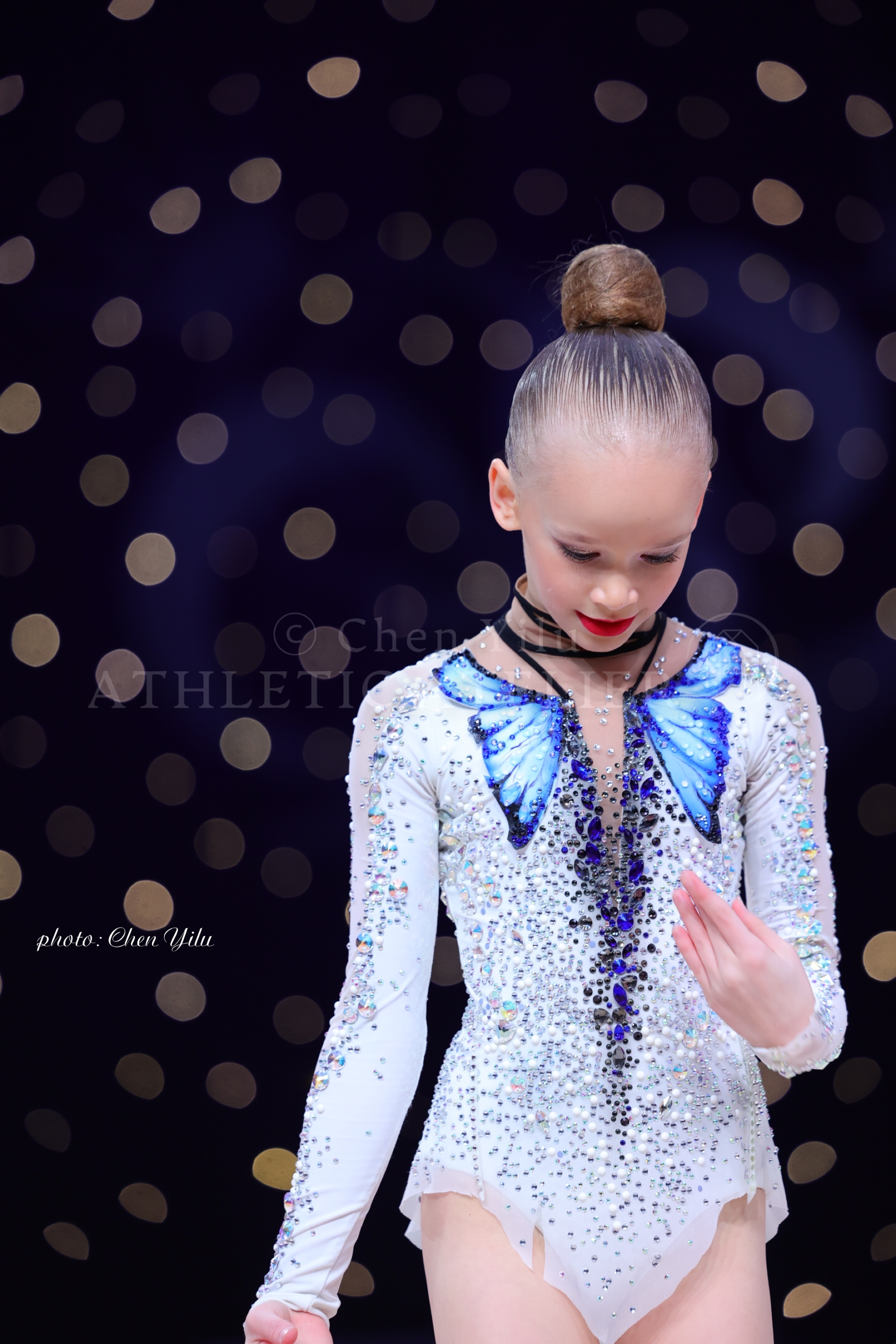
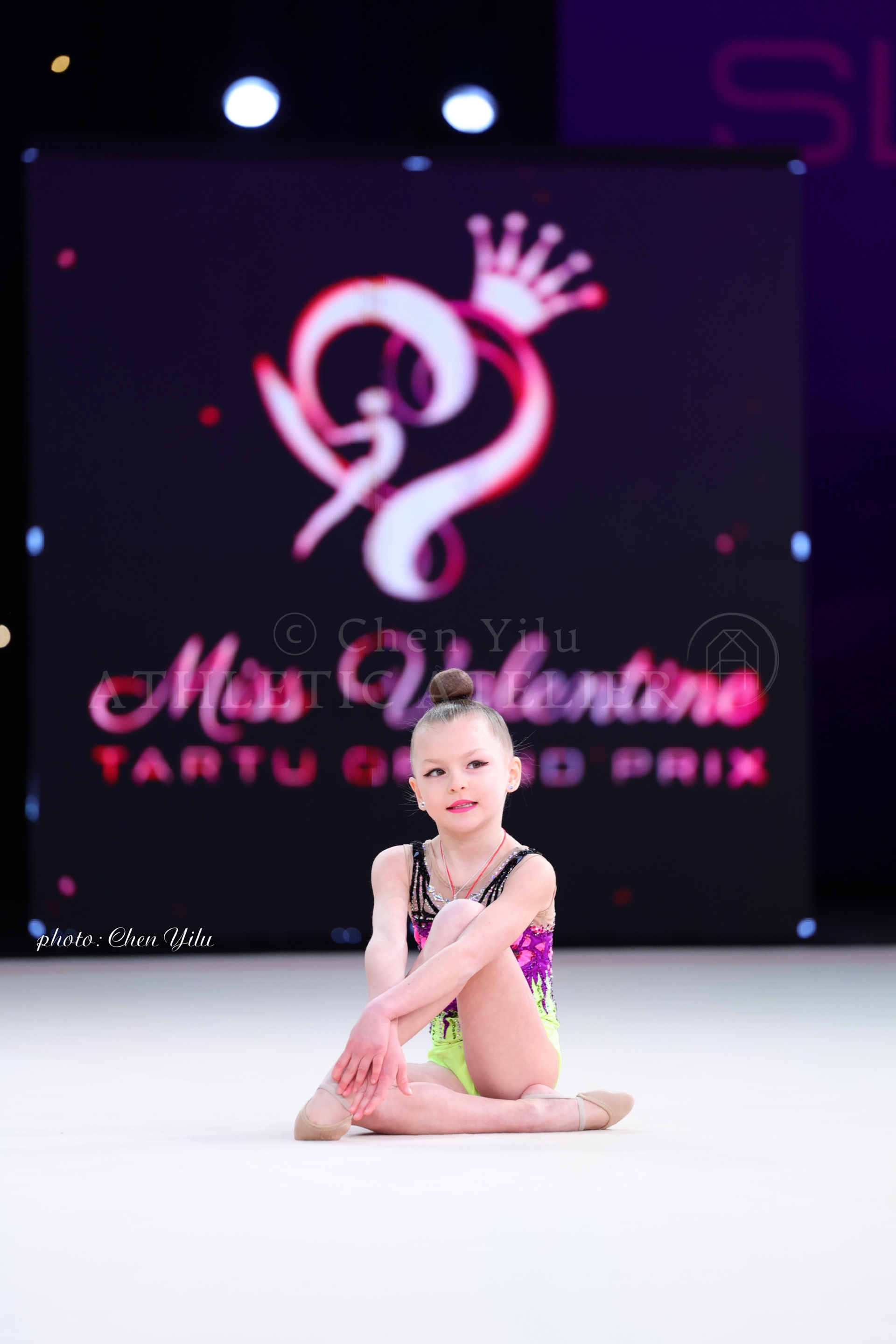
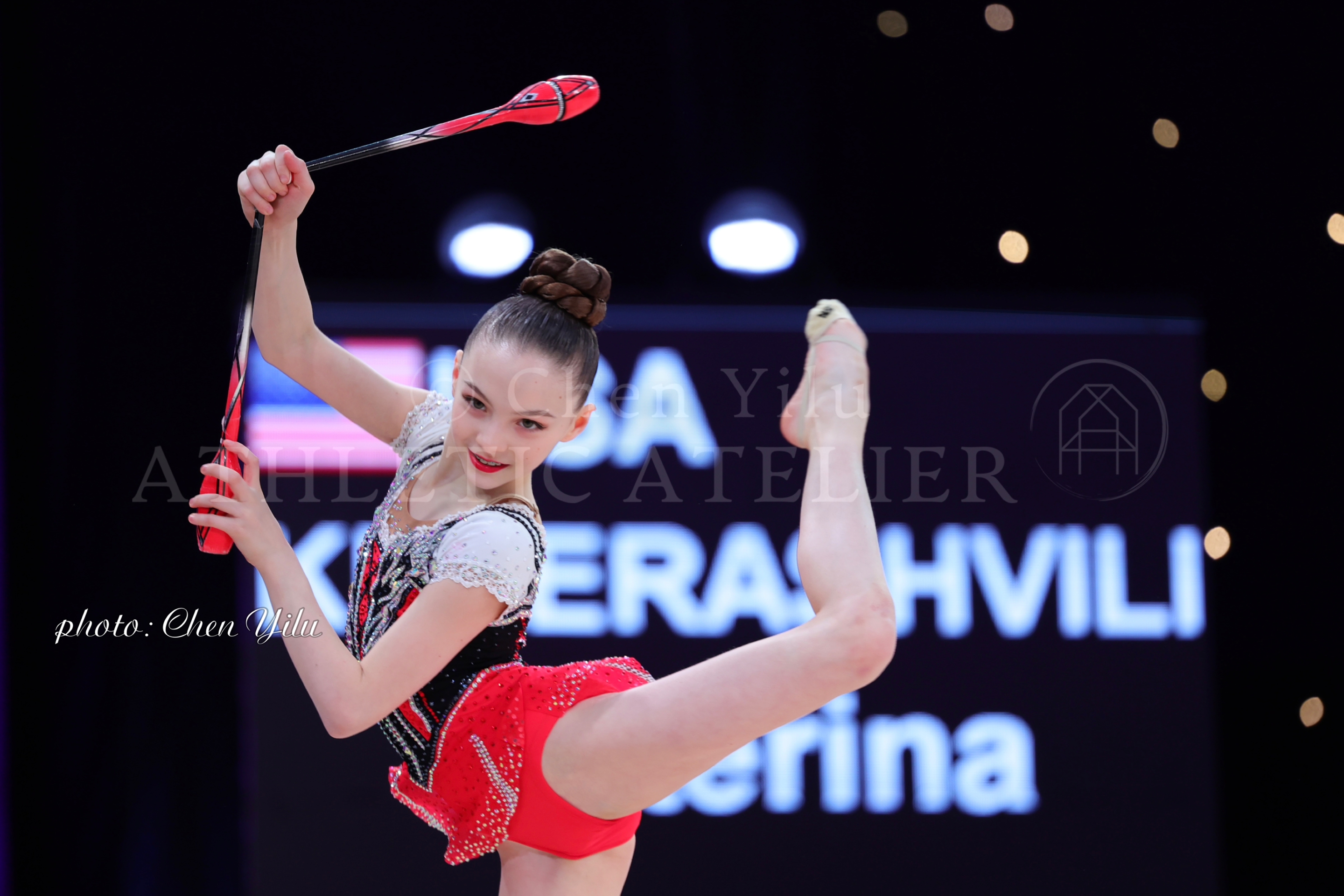
Now in its fourth decade, Miss Valentine continues to bridge the gap between grassroots development and elite international competition, drawing both established superstars and emerging talent to this Estonian city. As the rhythmic gymnastics calendar progresses toward the 2026 World Championships, this year's results have established clear benchmarks for the season ahead while reaffirming the tournament's vital role in the sport's global ecosystem.